If you’re an oil trader, agro-entrepreneur, or edible oil business owner reading this, chances are you’ve already felt the pinch of buying refined rapeseed or canola oil from someone else’s plant. You’re paying a middleman’s margin on every drum, every tanker, every shipment — and you know it. The natural next step for any serious player in the edible oil trade is to stop buying oil and start making it.

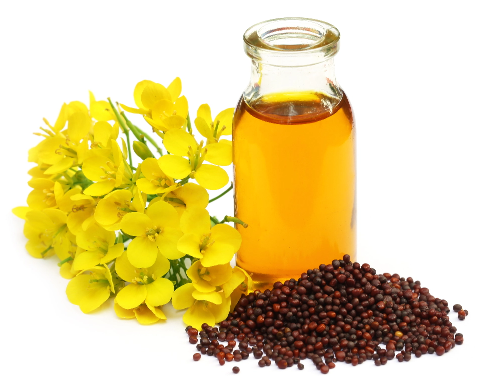
Setting up your own rapeseed oil extraction plant is one of the most reliable, high-margin manufacturing investments in the agro-processing sector today. Rapeseed (Brassica napus) is grown across millions of hectares worldwide, its oil is in permanent demand for cooking, food processing, and biodiesel, and the by-product — oil cake or meal — sells on its own as premium livestock feed. In other words, a well-designed plant gives you two revenue streams from a single raw material.
This guide walks you through everything a business owner needs to know before breaking ground on a rapeseed oil extraction plant: the process flow, machinery selection, capacity planning, investment range, regulatory approvals, and the mistakes that sink first-time plant owners. By the end, you’ll have a clear, engineer-level roadmap — and a way to get that roadmap turned into a working plant.
Why Rapeseed Oil Is a Smart Manufacturing Bet Right Now
Before we get into machinery and process flow, it’s worth understanding why this crop, specifically, makes sense as a plant investment.
1. Rapeseed is one of the world’s top oilseed crops. It’s grown extensively across Europe, Canada, China, India, and Australia, which means raw material sourcing is rarely the bottleneck it is for more exotic oilseeds. If you’re located in or near a rapeseed/mustard-growing belt, you have a built-in supply advantage.
2. The seed is genuinely oil-rich. Rapeseed contains roughly 38–45% oil by weight, which is high compared to many other oilseeds. That translates directly into extraction efficiency and better yield-per-tonne economics for your plant.
3. Two products, two markets. Refined rapeseed oil (sold globally as canola-type oil when erucic-acid content is bred low) serves the edible oil market. The de-oiled cake or meal left over is a high-protein animal feed ingredient with its own steady demand. A plant that processes both streams well essentially runs two businesses under one roof.
4. Growing demand from three directions at once. Edible oil consumption is rising with population and income growth, biodiesel mandates in many countries are pulling non-food-grade rapeseed oil into the fuel market, and the livestock feed industry keeps absorbing meal output. That’s demand pressure from food, fuel, and feed simultaneously — a rare combination for a single crop.
5. Backward and forward integration potential. As a plant owner, you’re no longer just trading — you can contract-farm or tie up with local farmers for seed supply, refine your own oil, brand your own packaged product, and even move into biodiesel production later. A plant is a platform, not just a machine.
For a trader who currently buys finished oil and resells it, owning the extraction plant means capturing the processing margin that currently goes to someone else. For a fresh entrepreneur, it means entering one of the few manufacturing sectors where raw material, process, and market are all well-established and de-risked.
Understanding the Rapeseed Plant and Seed Before You Build
A quick agronomic primer helps when you’re evaluating raw material quality and negotiating with seed suppliers.
Rapeseed is a bright-yellow flowering crop from the mustard family, typically growing 1–2.5 meters tall with smooth, bluish-green leaves. It produces slender seed pods (siliques), each containing tiny dark brown-to-black seeds. Those seeds are what your plant will process, and their oil content — generally in the 38–45% range — is the single biggest driver of your extraction yield.
There’s an important distinction plant owners must understand: traditional rapeseed varieties contain higher levels of erucic acid and glucosinolates, making the oil more suited to industrial use — lubricants, biodiesel, and animal feed — because of its bitterness and food-safety limits in many countries. Canola-type cultivars, bred specifically to bring erucic acid below 2%, are what’s used for edible cooking oil. If your target market is food-grade oil, you need to source canola-type seed or verify erucic acid content before signing any supply contract. If your target market is industrial or biodiesel, traditional rapeseed varieties work perfectly well and are often cheaper.
This single decision — food-grade vs. industrial-grade output — will shape your entire plant design, refining line, and target customer base, so it’s the first thing your plant engineering partner should discuss with you.
The Rapeseed Oil Extraction Process: Step by Step
A modern rapeseed oil extraction plant typically follows this sequence. Depending on your budget and target capacity, you can implement all of it or start with a simpler mechanical-only line and add stages later.
1. Seed Cleaning and Pre-Cleaning
Raw seed arriving at the plant carries dust, stones, chaff, broken seeds, and foreign material. A pre-cleaner (vibrating screens, magnetic separators, and destoners) removes these impurities before the seed enters processing. Clean seed protects downstream machinery from wear and improves final oil and meal quality.
2. Seed Drying and Storage
Rapeseed needs to be stored at a safe moisture level (typically below 8–9%) to prevent mold growth and oil degradation during storage. Plants usually include drying equipment and properly ventilated silos or bins for this stage, especially if you’re buying seed seasonally and processing it year-round.
3. Seed Conditioning / Cooking
Before pressing, seeds are conditioned — heated to a controlled temperature (typically 80–100°C) — in a cooker or conditioner. This step ruptures oil cells, reduces oil viscosity, and coagulates proteins, all of which significantly improve oil recovery in the pressing stage. Under-conditioned seed is one of the most common causes of poor extraction yield in new plants.
4. Mechanical Pressing (Expeller / Screw Press)
The conditioned seed passes through a screw press (expeller), which mechanically squeezes oil out under high pressure. This step alone can typically extract about 60–70% of the available oil, leaving behind a press cake that still contains residual oil.
For smaller plants — especially those targeting the premium “cold-pressed” or “virgin oil” niche — pressing alone, without heat conditioning or solvent extraction, is a viable business model. Cold-pressed rapeseed oil commands a price premium in health-conscious and specialty food markets, even though the yield is lower.
5. Solvent Extraction (For Higher Recovery)
Larger plants add a solvent extraction stage to pull out the remaining oil from the press cake, typically using food-grade hexane in a controlled, closed-loop extraction system. This step pushes total oil recovery up to 98–99%, dramatically improving yield economics at scale. Solvent extraction requires more capital investment, tighter safety systems, and regulatory clearance for solvent handling — but it’s the standard for medium-to-large commercial plants because the extra recovered oil pays for the added complexity quickly.
6. Desolventizing and Meal Processing
After solvent extraction, the residual meal passes through a desolventizer-toaster (DT) to recover the solvent (which is recycled back into the process) and to make the meal safe and palatable for animal feed. This is also where meal is dried, cooled, and prepared for bagging or bulk storage.
7. Crude Oil Refining
The oil extracted from pressing and/or solvent extraction is “crude” — it contains gums, free fatty acids, pigments, and odor compounds that need to be removed before it’s sellable as edible oil. Refining typically includes:
- Degumming – removing phospholipids using water or acid treatment
- Neutralization – removing free fatty acids with alkali treatment
- Bleaching – removing color pigments using bleaching earth/activated clay
- Deodorization – removing volatile odor compounds under vacuum and high temperature steam
A fully refined, bleached, and deodorized (RBD) rapeseed/canola oil is what you’ll see on supermarket shelves. Plants targeting only the industrial or biodiesel market can often skip some or all of these refining stages, which significantly reduces capital cost.
8. Packaging and Storage
Finished oil is filtered, cooled, and either packed into retail-ready bottles/pouches, filled into drums, or loaded into bulk tankers depending on your customer base. Storage tanks with nitrogen blanketing or proper sealing help preserve oil quality until dispatch.
Choosing Your Plant Capacity: What Business Owners Actually Need to Decide
One of the biggest early decisions is capacity — and it’s less about “how big can I afford” and more about “what does my raw material and market access actually support.”
Mini / Small Plants (2–10 tonnes per day): Ideal for entrepreneurs entering the business for the first time, or those targeting a regional/local market with cold-pressed or semi-refined oil. Lower capital requirement, faster ROI cycle, simpler operations, and lower staffing needs. A great entry point if you want to prove the model before scaling.
Medium Plants (20–100 tonnes per day): Suited to established traders who already have consistent seed supply and a distribution network for both oil and meal. This range usually justifies adding a solvent extraction unit and a basic refining line, since the extra recovery and product quality pay off at this volume.
Large / Industrial Plants (100–500+ tonnes per day): For serious agro-industrial players, often involving contract farming arrangements, export ambitions, or integration with a biodiesel unit. These plants need significant capital, dedicated logistics infrastructure, and a professional plant management team, but they achieve the lowest per-tonne processing cost.
A good rule of thumb: your plant capacity should be sized against your guaranteed raw material supply, not your optimistic best-case supply. Idle capacity is the single biggest killer of ROI in this industry — it’s far better to run a smaller plant at full utilization than a large one at half capacity.
Machinery and Equipment You’ll Need
A turnkey rapeseed oil extraction plant typically includes:
- Seed cleaning and pre-cleaning equipment (vibrating screens, magnetic separators, destoners)
- Seed drying system and storage silos
- Seed conditioner/cooker
- Screw press / expeller units
- Filter press for crude oil clarification
- Solvent extraction plant (for medium/large capacities)
- Desolventizer-toaster (DT) for meal processing
- Oil refining section (degumming, neutralization, bleaching, deodorization units)
- Boiler and steam generation system
- Effluent treatment and solvent recovery systems
- Storage tanks (raw oil, refined oil, and by-products)
- Packaging and filling lines
- Automation and process control systems
The specific machinery list, capacity ratings, and layout should always be engineered around your target output, budget, and local regulatory requirements — this is exactly the kind of decision where a mismatch between machinery and actual production goals quietly erodes profitability for years.
Investment and Cost Considerations
Project cost for a rapeseed oil extraction plant varies widely based on capacity, level of automation, whether solvent extraction and refining are included, land and civil works, and country-specific equipment costs. Broadly, the cost drivers business owners should budget for are:
- Land and civil construction – factory shed, storage godowns, utility areas
- Core processing machinery – cleaning, conditioning, pressing, and (if applicable) solvent extraction
- Refining equipment – if you’re targeting edible-grade oil
- Utilities – boiler, power backup, water treatment, effluent treatment plant
- Working capital – seed procurement for at least one full production cycle
- Regulatory and compliance costs – licenses, safety systems, pollution control clearances
- Manpower and training – skilled operators, quality control staff
A smart approach many first-time plant owners take is to start with a mechanical pressing plant (lower capex, faster to commission) and add solvent extraction and refining capacity in a second phase once cash flow from Phase 1 is established. A good engineering partner will design your plant layout from day one to accommodate this kind of phased expansion, so you’re not rebuilding from scratch later.
Licensing, Certifications, and Regulatory Compliance
Depending on your country and target market, expect to navigate:
- Food safety and edible oil manufacturing licenses (e.g., FSSAI in India, or equivalent food authority in your country) if producing edible-grade oil
- Factory/industrial establishment licenses from local municipal or state authorities
- Pollution control board clearances, especially for solvent extraction units, which handle flammable solvents
- Fire safety and explosion-proof equipment certification for the solvent extraction section
- BIS/ISO or equivalent quality certifications if you plan to sell packaged branded oil
- Export licenses and phytosanitary certificates if targeting international buyers
- Biodiesel/industrial fuel registrations if your output feeds into the fuel supply chain
Regulatory requirements differ significantly by country and even by state/province, so this is an area where local expertise matters as much as engineering expertise. A plant solutions partner who has commissioned facilities in your region should be able to walk you through the exact approval sequence rather than leaving you to figure it out mid-construction.
By-Products and Additional Revenue Streams
A well-run rapeseed oil extraction plant isn’t a single-product business — it’s a small ecosystem of saleable outputs:
- Refined rapeseed/canola oil – edible oil market
- Industrial-grade rapeseed oil – lubricants, biodiesel feedstock
- De-oiled cake / meal – high-protein animal feed, in strong demand from poultry and dairy sectors
- Gums and lecithin (recovered during degumming) – can be sold as a separate specialty product
- Spent bleaching earth – in some regions, recoverable or repurposed
- Biodiesel – if you choose to integrate a transesterification unit downstream
Business owners who plan for these secondary revenue streams from the design stage — rather than treating them as an afterthought — consistently see better overall plant economics than those who focus purely on oil output.
Common Mistakes First-Time Plant Owners Make
After years of engineering plant solutions for edible oil entrepreneurs, a few recurring mistakes stand out:
- Oversizing the plant relative to guaranteed raw material supply. A plant running at 50% capacity utilization rarely hits its projected ROI timeline.
- Skipping proper seed conditioning equipment to save capital cost, which quietly reduces oil yield by several percentage points — a loss that compounds over years of operation.
- Underestimating utility requirements — boiler capacity, water treatment, and power backup are often treated as an afterthought and become expensive retrofits later.
- Choosing machinery based on price alone, without verifying it against your specific seed type, target capacity, and product grade.
- Delaying regulatory approvals until after construction begins, leading to costly stoppages.
- Not planning for phased expansion, forcing a complete plant redesign when the business wants to add solvent extraction or refining later.
- Underinvesting in operator training, which leads to inconsistent yield and quality even with good machinery.
Every one of these is avoidable with proper engineering and planning at the design stage — which is exactly where the right plant solutions partner earns their fee many times over.
Why Business Owners Choose a Turnkey Plant Partner Instead of Building Alone
Sourcing machinery from multiple vendors, coordinating civil work, managing regulatory filings, and commissioning a working plant is a full-time engineering job — one most oil traders and entrepreneurs don’t have the bandwidth or technical background to run alongside their existing business. This is where a dedicated plant engineering partner changes the equation.
FOSTECHNO Process & Engineering PVT. LTD. works with business owners at exactly this stage — traders who want to stop buying finished oil and start manufacturing it, and entrepreneurs entering the edible oil business for the first time. Our team designs and delivers complete rapeseed oil extraction plant solutions — from seed cleaning and conditioning through pressing, solvent extraction, refining, and by-product handling — engineered around your specific capacity target, raw material access, and target market (edible-grade vs. industrial-grade output).
We handle the parts that typically slow first-time plant owners down: machinery selection matched to your actual production goals, plant layout designed for phased expansion, and guidance through the regulatory and compliance sequence specific to your region — so you move from “I want to build a plant” to a running, yield-optimized facility without the costly trial-and-error most first-timers go through.
If you’re serious about setting up your own rapeseed oil extraction plant, talk to our engineering team before you finalize machinery or capacity. A short consultation can save you from the capacity, equipment, and layout mistakes that cost other plant owners years of lost margin.
📩 Get in touch with FOSTECHNO Process & Engineering PVT. LTD. today for a free plant consultation and project cost estimate tailored to your capacity, budget, and target market.
Frequently Asked Questions
1. How much does it cost to set up a rapeseed oil extraction plant?
Cost depends heavily on capacity, whether you include solvent extraction and refining, and your location. A small mechanical pressing plant costs significantly less than a medium or large plant with solvent extraction and a full refining line. Getting a capacity-specific quote from a plant engineering partner is the only reliable way to budget accurately.
2. What is the difference between rapeseed oil and canola oil?
Canola is a specially bred low-erucic-acid variety of rapeseed (under 2% erucic acid), developed to be safe and pleasant for cooking. Traditional rapeseed has higher erucic acid and glucosinolate content and is generally used for industrial applications, lubricants, and biofuel rather than food.
3. How much oil can be extracted from rapeseed?
Rapeseed typically contains 38–45% oil by weight. Mechanical pressing alone recovers roughly 60–70% of the available oil, while adding solvent extraction pushes total recovery up to 98–99%.
4. What machinery is required for a small-scale rapeseed oil extraction plant?
At minimum: seed cleaning equipment, a seed conditioner/cooker, and a screw press (expeller). Filtration equipment for the crude oil is also standard. Solvent extraction and refining equipment are added at higher capacities or when targeting edible-grade output.
5. Is solvent extraction necessary for a rapeseed oil plant?
Not always. Mechanical pressing alone is a valid business model, especially for cold-pressed or premium oil segments. Solvent extraction becomes economically worthwhile at medium-to-large capacities, where the additional oil recovery (up to 98–99% vs. 60–70% from pressing alone) significantly improves margins.
6. What licenses are needed to start a rapeseed/canola oil manufacturing business?
Typical requirements include a food safety/edible oil manufacturing license, factory establishment license, pollution control clearance (especially for solvent extraction units), and fire safety certification. Requirements vary by country and region, so local regulatory guidance is essential.
7. What can be done with the leftover rapeseed cake/meal?
De-oiled rapeseed cake is sold as a high-protein animal feed ingredient, primarily for poultry and dairy livestock. It’s a significant secondary revenue stream and should be factored into your plant’s overall economics from the design stage.
8. How long does it take to set up a rapeseed oil extraction plant?
Timelines vary by capacity and scope, but typically range from a few months for a small mechanical pressing unit to over a year for a large plant with solvent extraction, refining, and full regulatory approvals, including civil construction and machinery commissioning.
9. Can I start small and expand my rapeseed oil plant later?
Yes — and it’s a common, recommended approach. Many business owners start with a mechanical pressing plant to establish cash flow and market presence, then add solvent extraction and refining capacity in later phases. This requires the plant layout to be designed with future expansion in mind from day one.
10. Who can help me design and set up a rapeseed oil extraction plant?
A dedicated plant engineering and turnkey solutions provider — one experienced in oilseed processing — can handle machinery selection, plant layout, and regulatory guidance end-to-end. FOSTECHNO Process & Engineering PVT. LTD. specializes in exactly this: helping business owners move from concept to a fully operational, yield-optimized rapeseed oil extraction plant.
rapeseed oil plant, rapeseed oil extraction plant
rapeseed oil plant, rapeseed oil extraction plant
rapeseed oil plant, rapeseed oil extraction plant
rapeseed oil plant, rapeseed oil extraction plant
rapeseed oil plant, rapeseed oil extraction plant
rapeseed oil plant, rapeseed oil extraction plant
rapeseed oil plant
rapeseed oil plant
rapeseed oil plant
rapeseed oil plant
rapeseed oil plant
rapeseed oil plant
rapeseed oil plant
rapeseed oil plant



Leave a Reply