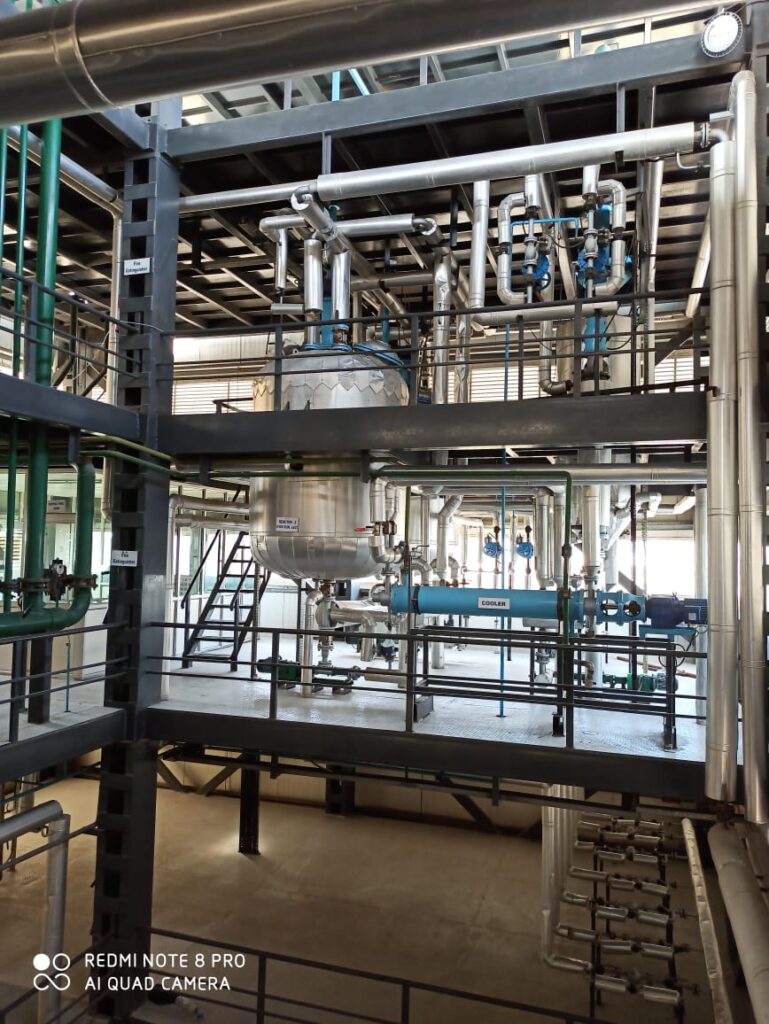
Lecithin Plant: Complete Guide to Process, Equipment, and Production
Although lecithin touches almost everything you eat, apply, or swallow as medicine, most people never stop to ask where it comes from . In fact, behind every chocolate bar, every soft tablet, and every smooth lotion sits a specialized facility called a lecithin plant. This guide walks you through what a lecithin plant actually does, how the manufacturing process unfolds step by step, which machines drive production, and what you need to know before you invest in this business. Whether you are an entrepreneur scouting a new venture or a student researching the oilseed industry, this article gives you a clear, practical picture of the entire lecithin world.
What Is a Lecithin Plant?
A lecithin plant is an industrial facility that extracts, refines, and dries phospholipids from vegetable oils such as soybean, sunflower, and rapeseed. Engineers design these plants to capture a sticky, water-loving by-product called “gums,” which forms naturally during oil refining, and then transform that raw material into stable, commercial-grade liquid or powdered lecithin.
Manufacturers sell this finished lecithin to food companies, pharmaceutical brands, and cosmetic producers because it acts as a natural emulsifier. In simple terms, lecithin allows oil and water to blend smoothly instead of separating, which is exactly why it shows up in chocolate, baked goods, skin creams, and dietary supplements. Because demand keeps climbing across so many industries, a lecithin plant can become a genuinely profitable business when you set it up correctly.
Why Lecithin Matters So Much Across Industries
Before diving into machinery and processes, it helps to understand why this single ingredient generates so much commercial interest.
For instance, in the food and beverage sector, lecithin strengthens dough, extends shelf life, and gives chocolate its silky texture. Bakers rely on it to keep bread soft for longer, while confectioners use it to prevent cocoa butter from separating. In infant formula, manufacturers add lecithin because it mimics the emulsifying compounds naturally found in breast milk.
Similarly, the pharmaceutical industry depends on lecithin for softgel capsules, liposomal drug delivery systems, and tablet binders. Because lecithin helps the body absorb certain medications more efficiently, drug makers increasingly favor it for advanced formulations.
Cosmetic brands turn to lecithin for lipsticks, moisturizers, and conditioning creams since it penetrates skin layers effectively and locks in hydration. Meanwhile, industrial buyers purchase lecithin for animal feed, paints, coatings, and even leather treatments, proving that this single by-product serves a remarkably wide customer base.
Furthermore, given this breadth of demand, anyone studying the lecithin plant business quickly realizes that market diversification effectively protects investors from relying on a single industry’s ups and downs.
How a Lecithin Plant Works: The Core Manufacturing Process
Now let’s break down the actual production journey, since this forms the heart of any lecithin plant operation.
Step 1: Sourcing and Preparing Raw Oilseeds
Every lecithin plant starts with raw material selection. Soybean dominates global lecithin production because it remains affordable and widely available, supplying roughly 90% of the world’s lecithin output. However, sunflower lecithin continues gaining popularity because consumers increasingly want non-GMO and allergen-friendly options. Rapeseed also serves as a viable feedstock in several regions, including India.
Once you select your raw material, the plant cleans, cracks, and dehulls the seeds to prepare them for oil extraction. This preparatory stage determines the quality of everything that follows, so operators pay close attention to consistency at this point.
Step 2: Extracting the Crude Oil
After preparation, the plant extracts oil from the seeds using either mechanical pressing or solvent extraction. Mechanical extraction yields less oil but avoids chemical residues, which makes it the preferred choice for organic and non-GMO sunflower lecithin. Solvent extraction, on the other hand, produces higher yields and typically supports soy lecithin production, though it requires careful solvent recovery to keep the final product safe.
Step 3: Degumming the Crude Oil
Degumming represents the single most important stage in the entire lecithin manufacturing process. During this step, the plant adds water to the crude oil, and this water binds with the hydrophilic phospholipids inside the oil. As a result, a thick, gummy substance separates from the oil itself. Consequently, engineers call this substance “wet gums,” and it forms the raw foundation for everything that becomes finished lecithin.
Subsequently, the plant separates these gums from the oil using a centrifuge, which spins the mixture at high speed and pulls the heavier gum fraction away from the lighter oil. This separation step protects the purity of both the refined oil and the future lecithin product.
Step 4: Dehydrating and Drying the Gums
Wet gums contain a significant amount of moisture, so the plant must dry them carefully before they become stable lecithin. This is where specialized drying equipment becomes essential. Most modern facilities use vacuum dryers or thin-film evaporators because these machines remove moisture gently, without scorching or degrading the lecithin’s natural properties.
During this stage, the plant evaporates moisture under controlled vacuum pressure and then cools the resulting product to receive dry liquid lecithin. Because lecithin degrades easily when exposed to excess heat, the entire drying process demands precise temperature control and skilled operation.
Step 5: De-Oiling for Powder Production (Optional)
If your target market wants powdered lecithin rather than the liquid form, the plant moves into an additional de-oiling stage. This step typically uses acetone extraction to remove residual fats from the dried lecithin, leaving behind a fine, stable powder. Pharmaceutical companies and supplement manufacturers often prefer this powdered version because it integrates more easily into capsules, tablets, and dry-mix formulations.
Step 6: Standardization, Filtration, and Quality Control
In the final stage, the plant bleaches, filters, and standardizes the lecithin so it meets food-grade or industrial safety specifications. Quality control teams test for contaminants such as heavy metals, microbes, and pesticide residues, and they often rely on chromatography and spectroscopy to confirm purity. Consequently, this step protects your brand reputation and ensures compliance with regulatory bodies like the FDA and various international food safety authorities.
Lecithin Plant Machinery: Key Equipment You Need for Production
Once you understand the process, the next logical question becomes: what equipment actually performs each of these steps? Here is a breakdown of the core machinery you will need.
Cleaning and Preparation Equipment:
Screeners, crackers, and dehullers prepare raw oilseeds before extraction begins. Consequently, this equipment removes debris and breaks seeds into uniform sizes, which ultimately improves extraction efficiency downstream.
Extraction Units:
Subsequently, mechanical expellers or continuous solvent extraction systems pull oil from prepared seeds. Many plants choose continuous extraction because it offers a high flow rate while consuming less energy than batch systems.
Degumming Systems:
These units mix water with crude oil and, subsequently, separate the resulting gums using centrifugal force. Consequently, reliable degumming equipment directly affects how much usable lecithin your plant ultimately produces.
Vacuum Dryers and Thin-Film Evaporators:
Since drying represents the most delicate stage of lecithin production, plants invest heavily in agitated thin-film dryers. These machines evaporate moisture from wet gums without burning the product, which preserves both color and functional properties.
De-Oiling and Acetone Extraction Equipment:
For powder production, plants need specialized de-oiling systems that safely handle acetone and recover solvent for reuse, which keeps operating costs manageable while meeting safety standards.
Filtration and Bleaching Systems:
Finally, pressure leaf filters and bleaching units polish the final product, removing impurities and improving the lecithin’s color and clarity.
Storage and Packaging Lines:
Once production finishes, the plant needs food-grade storage tanks for liquid lecithin and bag-filling or jar-filling systems for powdered lecithin.
Most reputable suppliers construct this equipment from food-grade stainless steel, typically SS 304 or SS 316, since these materials resist corrosion and prevent contamination. This material choice also simplifies cleaning between production batches, which matters enormously in food-grade manufacturing.
Lecithin Plant Capacity: How Big Should You Go?
Plant capacity varies enormously depending on your budget, target market, and growth ambitions. For instance, small-scale facilities typically process between 2 and 5 tons per day (TPD), which suits entrepreneurs entering the market with limited capital. Moving up the scale, mid-range plants often handle 10 to 30 TPD, giving operators room to serve regional food manufacturers and smaller pharmaceutical buyers.
Large industrial plants, by contrast, can process anywhere from 50 to 100+ TPD. These massive integrated facilities usually supply multinational food brands and export markets, and they require substantial upfront investment in both machinery and infrastructure.
If you are just starting out, consider beginning with a smaller capacity and scaling up once you establish reliable buyers. This approach reduces financial risk while still letting you build expertise in the lecithin manufacturing process.
Lecithin Plant Setup: Cost, Investment, and Business Opportunity
Setting up a lecithin plant requires careful financial planning since costs vary based on capacity, automation level, and whether you choose continuous or batch processing systems. Several factors influence your total investment.
Machinery Costs:
Primarily, drying systems, extraction units, and filtration equipment represent the largest portion of your capital expenditure. Automated continuous systems cost more upfront but reduce labor expenses and improve consistency over time.
Infrastructure and Civil Work:
Furthermore, you will need a properly designed facility with appropriate drainage, ventilation, and food-grade flooring to meet hygiene regulations.
Raw Material Sourcing:
Since soybean and sunflower prices fluctuate with global commodity markets, build flexibility into your sourcing strategy so price spikes don’t derail your margins.
Regulatory Compliance:
Food safety certifications, environmental clearances, and export licenses add to your initial setup costs but protect you from costly shutdowns later.
Workforce Training:
Skilled operators who understand vacuum drying and quality control protocols directly influence product consistency, so factor training costs into your budget.
Despite these upfront expenses, the lecithin business offers strong long-term potential because demand keeps expanding across food, pharmaceutical, and cosmetic sectors simultaneously. Many entrepreneurs also appreciate that lecithin production effectively monetizes a by-product that oil refineries would otherwise treat as waste, which improves overall profitability when you integrate lecithin production alongside an existing oil refining operation.
Lecithin Plant Project Report: What Investors Want to Know
If you plan to approach banks or investors, you will need a solid project report that addresses several key areas.
To begin with, outline your raw material strategy and explain how you will secure consistent soybean, sunflower, or rapeseed supply throughout the year. Following that, detail your machinery selection and justify why you chose specific capacity and automation levels. Third, project your revenue based on realistic market prices for liquid and powdered lecithin, since powder generally commands a premium due to its additional processing requirements.
Fourth, include a clear breakdown of operating costs, covering energy consumption, labor, raw materials, and maintenance. Finally, address your go-to-market strategy by identifying target buyers across food, pharmaceutical, and cosmetic industries, since diversifying your customer base reduces dependency on any single sector.
A well-prepared project report not only helps secure financing but also forces you to think critically about every stage of your lecithin plant before you commit significant capital.
Top Benefits of Starting a Lecithin Plant
Entrepreneurs continue entering this space for several compelling reasons.
Lecithin production transforms an existing oil refining by-product into a high-value commercial product, which means you essentially create new revenue from material that would otherwise go to waste. Additionally, because lecithin serves food, pharmaceutical, cosmetic, and industrial buyers simultaneously, your business gains resilience against downturns in any single sector.
Furthermore, global demand for natural and plant-based emulsifiers keeps climbing as consumers move away from synthetic additives. Sunflower lecithin, in particular, benefits from this trend since it avoids both GMO concerns and common allergens, making it attractive to European and health-conscious markets worldwide.
Finally, once you establish reliable production, lecithin offers strong profit margins compared to many other oilseed by-products, especially when you process it into powdered form for pharmaceutical and supplement buyers.
Common Challenges in Lecithin Plant Operations
While the opportunity looks promising, you should also prepare for certain challenges. Raw material price volatility can squeeze margins quickly, so build in pricing flexibility wherever possible. Drying temperature control demands constant attention since overheating destroys lecithin’s functional properties and damages your reputation with quality-sensitive buyers.
Solvent handling, particularly during acetone-based de-oiling, requires strict safety protocols to protect workers and prevent regulatory violations. Finally, maintaining consistent quality across batches takes disciplined process control, especially as you scale toward higher production volumes.
Addressing these challenges proactively, rather than reactively, separates successful lecithin plant operators from those who struggle with inconsistent output.
How to Build a Profitable Lecithin Plant Business
If you want to turn a lecithin plant into a genuinely profitable venture, focus on a few strategic priorities. Start by securing reliable raw material contracts with oilseed suppliers so you avoid unpredictable price swings. Next, invest in quality drying and filtration equipment early, since cutting corners here damages product consistency and limits your access to premium buyers.
Build relationships across multiple industries rather than depending solely on food manufacturers. Pharmaceutical and cosmetic buyers often pay better margins for high-purity powdered lecithin, so diversifying your customer base strengthens your overall business model.
Additionally, consider pursuing organic and non-GMO certifications for sunflower-based lecithin, since these certifications open doors to premium export markets, particularly in Europe. Lastly, invest in skilled technical staff who understand the nuances of vacuum drying and quality testing, because operational expertise ultimately determines whether your plant produces consistent, sellable product or inconsistent batches that damage your brand.
Everything You Need to Know Before Starting a Lecithin Plant
Before you commit to this business, run through this final checklist. Confirm your raw material source and verify year-round availability at competitive prices. Choose your target capacity based on realistic demand forecasts rather than overly optimistic projections. Select equipment manufacturers with proven track records, since drying technology directly affects product quality.
Secure the necessary food safety and environmental certifications before you begin commercial production. Map out your target customers across food, pharmaceutical, and cosmetic sectors so you enter the market with a clear sales strategy. Finally, budget conservatively and build in contingency funds, since most industrial projects encounter unexpected costs during commissioning and early operations.
Final Thoughts
Ultimately, a lecithin plant offers entrepreneurs a genuine opportunity to enter a growing, diversified market by transforming an oil refining by-product into a valuable commercial ingredient. Furthermore, from degumming and drying to de-oiling and quality control, each stage of the manufacturing process plays a critical role in determining your final product’s quality and marketability.
.
Ultimately, success in this business depends on choosing the right raw materials, investing in reliable drying and filtration equipment, and building relationships across multiple industries that depend on lecithin’s unique emulsifying properties. Consequently, with careful planning, the right machinery, and a clear understanding of the process outlined in this guide, you can position your lecithin plant for long-term, sustainable growth in a market that shows no signs of slowing down.


