If you’ve been searching for how to start a coconut oil plant, you’ve probably noticed the same handful of blogs repeating the same generic checklist — buy a press, buy a filter, start selling. What none of them tell you is why certain machine combinations fail in humid coastal regions, how the copra moisture content silently eats into your yield every single batch, or which line item in your project report actually decides whether a bank approves your loan.
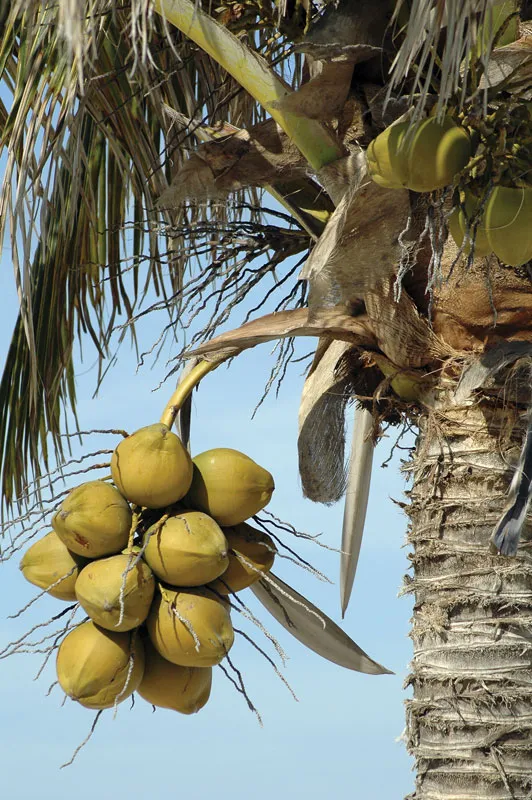
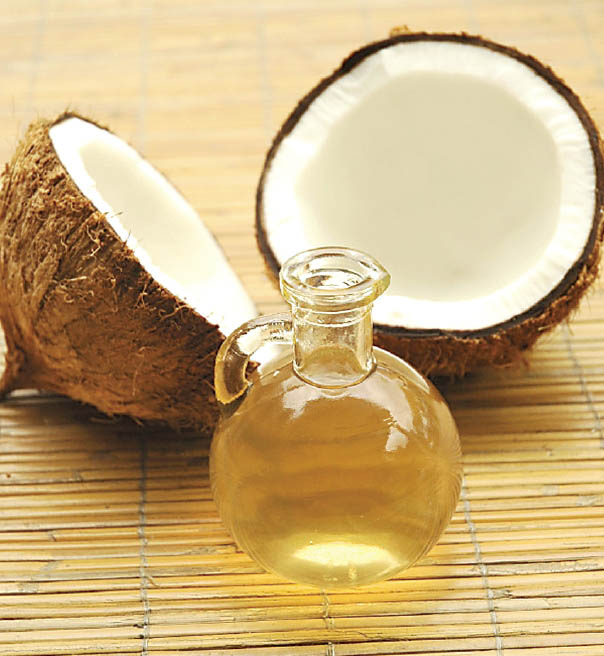
This guide is different. It’s written from the ground up — covering everything from raw material selection to the exact machinery sequence, real investment numbers, government subsidy routes, and the operational mistakes that quietly kill margins in the first year. Whether you’re evaluating a coconut oil extraction plant for your own copra farm, a full-scale coconut oil manufacturing plant for branded retail, or a mid-size coconut oil processing plant to supply bulk buyers, everything you need is below.
1. What Exactly Is a Coconut Oil Plant?
A coconut oil plant is a manufacturing setup that mechanically or semi-mechanically extracts oil from the dried or fresh flesh of the coconut. At its simplest, it is a chain of machines — a crusher, a cooker, a press, and a filter — arranged so raw coconut material enters at one end and clean, filtered coconut oil comes out the other.
But in practice, a coconut oil plant is really three businesses stacked on top of each other:
- A procurement operation that sources copra or fresh coconuts consistently and cheaply.
- A production operation that converts that raw material into oil with minimal wastage.
- A sales operation that moves the oil (and the oil cake byproduct) profitably.
Most people researching “coconut oil plant” online only think about the second part — the machines. But the plants that actually make money are the ones where all three are planned together from day one. Keep that in mind as you read the rest of this guide.
2. Coconut Oil Plant vs Extraction Plant vs Processing Plant vs Manufacturing Plant — What’s the Real Difference?
You’ll see these four terms used almost interchangeably across supplier websites, and honestly, in casual conversation they do mean roughly the same thing. But if you’re comparing quotations or writing a project report for a bank loan, it helps to understand the shades of difference:
- Coconut oil extraction plant — usually refers to the core machinery that physically separates oil from coconut meat: the crusher, cooker, and expeller press. This is the “heart” of any setup.
- Coconut oil processing plant — a broader term that includes extraction plus downstream steps like filtration, settling, and sometimes refining, bleaching, and deodorizing (RBD) for a food-grade finished product.
- Coconut oil manufacturing plant — typically used for larger, more automated setups that also include packaging, labeling, and quality-control stations, i.e., the whole factory from raw coconut to sealed bottle.
- Coconut oil plant — the umbrella term covering any of the above, from a small village-level cold-press unit to a fully automated industrial facility.
For SEO and practical purposes, if someone is searching any of these four terms, they’re almost always trying to answer the same underlying questions: what machines do I need, how much will it cost, and how do I get started. That’s exactly what this guide covers.
3. Raw Material: Copra vs Fresh Coconut (Wet Milling)
Before you buy a single machine, you need to lock down your raw material strategy, because it changes your entire machinery list.
Route A: Copra-Based (Dry Milling)
Copra is dried coconut kernel with moisture brought down to roughly 6–9%. This is the traditional route used by most commercial coconut oil plants because copra stores well, travels well, and gives a higher, more stable oil yield per kilogram compared to fresh coconut.
The tradeoff: copra is sun-dried or kiln-dried, and poorly dried copra (too much residual moisture, or mold growth from monsoon humidity) directly lowers your oil quality and can even make the batch unfit for food-grade sale. If you’re sourcing copra rather than drying it yourself, always check moisture content and look for visible mold before purchase.
Route B: Fresh Coconut / Wet Milling (Virgin Coconut Oil)
This route skips drying entirely. Fresh coconut meat is grated, mixed with water, and the milk is extracted, then separated into oil through fermentation, centrifugation, or cold-press methods. This is how virgin coconut oil (VCO) — the premium, higher-margin product — is typically made.
Wet milling needs different machinery (a coconut dehusker, meat grater/scraper, milk extractor, and a centrifuge or fermentation tanks) instead of a crusher-cooker-press line. It also commands a significantly higher retail price, often 2–3x that of regular copra-based coconut oil, because VCO retains more nutrients and has a cleaner flavor profile.
Practical takeaway: if your target customer is a wholesale edible-oil buyer or soap/cosmetics manufacturer, go copra-route. If you’re building a retail or export brand around “virgin,” “cold-pressed,” or “organic” coconut oil, plan for the wet-milling route from the start — retrofitting later is expensive.
4. The Complete Coconut Oil Production Process, Step by Step
Here’s the full production sequence for a standard copra-based coconut oil processing plant, broken down the way it actually runs on a factory floor.
Step 1: Coconut Procurement, De-husking & De-shelling
Raw coconuts arrive at the unit and are first de-husked (the fibrous outer husk removed) and then de-shelled (the hard shell cracked and separated from the white kernel). This is usually manual or semi-mechanical in small plants and fully mechanized in larger ones.
Step 2: Drying Into Copra
The de-shelled kernel is dried — either sun-dried over 4–7 days, or mechanically dried in a hot-air/kiln dryer over 24–48 hours — until moisture content drops to the 6–9% range. Mechanical drying is more consistent and far less weather-dependent, which matters a lot if you’re running production year-round rather than seasonally.
Step 3: Cleaning & Crushing
Dried copra is cleaned of any residual shell fragments or dust, then fed into a hammer crusher or copra cutter that breaks the large, hard copra blocks into small flakes or a coarse powder. Smaller, uniform particle size means better oil release in the next steps — this is a step people underestimate, but inconsistent crushing is one of the top reasons small plants report lower-than-expected yield.
Step 4: Cooking / Conditioning
The crushed copra is passed through a steam cooker or conditioner. This step isn’t just about heat — it ruptures the oil cells inside the copra and reduces the material’s viscosity, so oil flows out more easily and completely during pressing. Skipping or under-running this step is another common yield killer.
Step 5: Pressing (Expelling)
The conditioned copra goes into a screw oil press (also called an expeller). A rotating screw shaft compresses the material under high pressure, physically squeezing crude oil out while pushing the solid residue — the oil cake — out the other end. This is the core mechanical heart of the entire coconut oil extraction plant, and expeller capacity (measured in tons processed per day) is usually the number that determines your plant’s overall output.
Step 6: Filtering
The crude oil coming off the press still contains fine solid particles (dregs). It’s passed through a plate filter press or a centrifugal filter to remove these solids, leaving clear, filtered crude coconut oil.
Step 7: Refining (Optional, for Food-Grade / Branded Oil)
If you’re producing food-grade or export-quality oil rather than industrial-grade oil, the filtered oil typically goes through a refining sequence:
- Neutralization — removes free fatty acids using an alkali treatment.
- Bleaching — removes color pigments using bleaching earth/activated clay under vacuum.
- Deodorization — removes residual odor/flavor compounds using high-temperature steam distillation under vacuum.
Together these three steps are what turn crude coconut oil into RBD (Refined, Bleached, Deodorized) coconut oil — the type most commonly sold in supermarkets for cooking. Not every plant needs this step; many smaller units sell filtered crude/virgin oil directly, which actually commands a premium in the “natural” and “cold-pressed” market segment.
Step 8: Packaging
The finished oil is filled into pouches, bottles, tins, or bulk drums depending on your target market — retail consumer, B2B bulk, or export.
5. Machinery Required for a Coconut Oil Plant
Here’s the realistic machinery list, broken into “must-have” and “add as you scale”:
Core machinery (must-have for any coconut oil extraction plant):
- Copra cutter / crusher
- Steam boiler and cooker/conditioner
- Screw oil expeller press (the single biggest capex item)
- Oil filter — plate filter press or centrifugal filter
- Oil storage tanks
Add-on machinery for a full coconut oil processing / manufacturing plant:
- Neutralization, bleaching, and deodorization (refining) unit
- Coconut de-husking and de-shelling machines (if processing whole coconuts, not buying copra)
- Mechanical copra dryer (if you want to avoid weather-dependent sun drying)
- Automatic bottle/pouch filling and sealing line
- Oil cake pelletizer (turns the leftover cake into a sellable cattle-feed byproduct)
- Effluent treatment / boiler emission controls (needed at larger scale for compliance)
A well-designed coconut oil manufacturing plant doesn’t just chain these machines together — the pipe sizing between the cooker and press, the holding time in the conditioner, and the mesh size in the filter all need to be matched to your specific throughput target. This is exactly where a generic machine purchase from three different vendors often underperforms compared to an engineered, single-source line.
6. Plant Capacity Options: Which Size Fits Your Budget?
| Scale | Typical Capacity | Power Requirement | Best Suited For |
|---|---|---|---|
| Micro / Home-scale | 50–200 kg/day | 3–7.5 HP | Individual entrepreneurs, local/village markets, cold-press VCO brands |
| Small-Medium (semi-automatic) | 4–5 tons/day | 20–40 HP | First-time commercial units, regional B2B and D2C supply |
| Medium-Large | 10–20 tons/day | 60–100 HP | Established brands, wholesale/bulk buyers, some export |
| Large Industrial | 25+ tons/day | 100+ HP | Large manufacturers, contract processing, export-focused units |
Most first-time entrepreneurs entering this business start at the small-to-medium, semi-automatic tier — enough throughput to be commercially meaningful without the capital burden and compliance overhead of a full industrial facility.
7. Investment & Cost Breakdown (Small, Medium, Large Scale)
Cost is the number-one question everyone searching “coconut oil plant” actually wants answered, so let’s be specific rather than vague.
Micro Setup (basic machinery only)
A very basic single-expeller setup with a small crusher and filter can start from roughly ₹1,00,000–₹3,00,000 for machinery alone. This is bare-bones — manual feeding, no automated cooker, minimal filtration — suited to testing the business at very low volume before scaling.
Small-Medium Semi-Automatic Plant (4–5 tons/day)
This is the realistic starting point for most serious entrepreneurs. Based on typical government project reports for coconut oil units under India’s food-processing schemes, a representative cost breakdown for a small commercial unit looks roughly like this:
- Plant & machinery: ₹18–28 lakh
- Land development, building & civil construction: ₹3–8 lakh
- Working capital (raw material, packaging, initial operations): ₹6–12 lakh
- Miscellaneous fixed assets (utilities, tools, office setup): ₹1–3 lakh
Total project cost: roughly ₹30–50 lakh, depending on whether you’re buying land or leasing, and whether you include a refining unit.
Medium-to-Large Automatic Plant
Once you add continuous cooking, automated filtration, refining (neutralization-bleaching-deodorization), and a packaging line, total project costs typically scale into the ₹75 lakh–₂ crore+ range depending on capacity, level of automation, and whether you’re building for export-grade compliance (which adds testing, documentation, and quality-control infrastructure).
A word of caution on “₹1 lakh plant” claims: you will see supplier listings advertising complete coconut oil plants for as little as ₹1 lakh. These are almost always a single basic expeller machine, not a functioning production line with crushing, cooking, filtering, and storage. Budget realistically for the full chain, not just the headline machine price.
8. Government Subsidy Support: PMFME Scheme Explained
If you’re setting up in India, the PMFME Scheme (Pradhan Mantri Formalisation of Micro Food Processing Enterprises) is directly relevant to coconut oil units, since coconut products fall under the scheme’s supported food-processing categories (and are an ODOP — One District One Product — item in several coconut-growing districts).
Here’s how it works in practical terms:
- The scheme offers a 35% credit-linked capital subsidy, capped at ₹10 lakh for individual/micro enterprises.
- It’s credit-linked, meaning you first get a bank loan sanctioned based on your Detailed Project Report (DPR); the subsidy is then adjusted against that loan through the bank, not paid to you upfront.
- You, as the beneficiary, typically need to contribute a minimum of 10% of the eligible project cost yourself, with the remainder financed through the bank loan (subsidy-adjusted).
- Eligible project cost generally covers plant and machinery plus technical civil work, though civil construction costs are usually capped at around 30% of the total eligible cost for subsidy calculation purposes.
- For larger group applicants — Farmer Producer Organizations, Self-Help Group federations, cooperatives, and government agencies setting up common processing infrastructure — the subsidy structure differs, with a higher cap (up to roughly ₹3 crore in several state guidelines) for shared infrastructure projects.
- Some states add their own top-up. Karnataka, for instance, has been reported adding a 15% state top-up on top of the central subsidy for eligible beneficiaries.
To apply, you’ll need a DPR covering technical and financial details, KYC and Udyam/MSME registration, FSSAI license or application, land/building ownership or lease proof, and machinery quotations. Applications go through the PMFME portal or your state’s designated nodal agency.
Practical tip: oil mills, including coconut oil units, have consistently ranked among the top-performing categories under PMFME in several states, alongside millet processing and jaggery units — meaning approving authorities are already familiar and comfortable with this category of application, which can make the process smoother than for a completely novel product idea.
9. Plant Layout, Space & Utility Requirements
A functional small-to-medium coconut oil plant typically needs:
- Land/built-up area: roughly 2,000–5,000 sq. ft. for a small-medium unit, including raw material storage, the processing floor, oil storage, and a packaging/dispatch area. Ceiling height should accommodate the expeller and cooker safely with clearance for maintenance.
- Power supply: a stable 3-phase electricity connection matching your chosen HP rating (20–40 HP for small-medium plants), plus backup power if your region has frequent outages — downtime mid-batch can spoil conditioned copra.
- Water supply: needed for boiler operation, cleaning, and (if applicable) wet-milling/VCO production.
- Ventilation: the cooking and pressing areas generate heat and steam; proper ventilation improves both working conditions and equipment life.
- Effluent handling: larger plants, especially those with refining units, need basic effluent management to handle spent bleaching earth and wash water responsibly.
- Storage: separate, dry, pest-controlled storage for incoming copra/coconuts and for finished oil in food-grade tanks or drums.
Plan your layout as a straight-line flow — raw material in at one end, packaged oil out the other — rather than a zig-zag arrangement. This single decision has a bigger impact on daily labor efficiency than most people expect.
10. Licenses and Registrations You’ll Need
Before commercial operation, budget time (not just money) for:
- Udyam/MSME Registration — establishes you as a formal micro/small enterprise, required for most subsidy schemes.
- FSSAI License — mandatory for any food-grade edible oil production and sale in India.
- GST Registration — for billing and interstate sale.
- Factory License / State Pollution Control Board consent — required once you cross certain production thresholds or install a boiler.
- Trade License from your local municipal authority.
- BIS certification (optional but valuable) if you want to sell packaged coconut oil under Indian quality standards, which builds trust with larger retail buyers.
Missing any of these isn’t just a compliance risk — several of them (FSSAI, Udyam) are also documents your bank and the PMFME nodal agency will ask for before releasing funds.
11. Profitability, Yield & ROI Calculation
Coconut oil yield from copra is typically in the range of 60–65% oil by weight, meaning roughly 6–6.5 kg of oil from every 10 kg of good-quality copra, with the remainder becoming oil cake (a valuable cattle-feed byproduct, so it’s not waste).
For a small-medium unit processing 4–5 tons of copra per day:
- Estimated monthly revenue for a well-run coconut oil unit (per publicly available PMFME project data for this category) can realistically fall in the ₹1,00,000–₹1,50,000+ monthly income range for the entrepreneur once operational costs are covered, though this varies significantly based on your copra sourcing price, local oil selling price, and whether you’re selling loose/bulk vs. branded packaged oil.
- Branded, packaged, retail-sold oil carries a substantially higher margin than selling loose oil to a wholesale trader — the packaging and branding investment usually pays for itself within the first year if your quality is consistent.
- The oil cake byproduct should not be an afterthought — selling it as cattle feed or exporting it (coconut oil cake has export demand in several Asian and Middle Eastern markets) can meaningfully improve your overall unit economics.
As a rough rule of thumb, most well-run small-medium coconut oil processing plants target a payback period of 2–4 years on total project investment, assuming stable copra procurement and consistent sales — faster if you secure institutional/bulk buyer contracts early, slower if you’re building a retail brand from zero.
12. Common Mistakes First-Time Plant Owners Make
- Underestimating raw material logistics. Machinery gets all the attention, but inconsistent copra supply (price spikes, quality variation, seasonal shortages) is what actually shuts down more small plants than equipment failure does.
- Buying the press first, planning the rest later. The expeller is only one link in the chain — an underpowered cooker or an inadequate filter bottlenecks the whole line regardless of how good your press is.
- Ignoring copra moisture testing. Oil yield and shelf-life both drop sharply with poorly dried or over-humid copra. A simple moisture meter is one of the cheapest, highest-ROI tools you can buy.
- Skipping the DPR/subsidy paperwork to “save time.” Entrepreneurs who start construction before their PMFME application is filed often lose eligibility for subsidy on that portion of spend — always sequence your paperwork before your purchase orders.
- No plan for the oil cake byproduct. Treating it as waste rather than a revenue stream leaves real money on the table.
- Underpricing for a “commodity” market when a “cold-pressed/virgin” positioning was possible. Many small units default straight into competing on price against large refiners instead of exploring the higher-margin virgin/organic segment their scale is actually well-suited for.
13. Choosing the Right Machinery Supplier
When evaluating machinery vendors for your coconut oil plant, look past the headline price and check:
- After-sales service and spare parts availability in your region — a screw press with a worn shaft and no local spare part support can halt production for weeks.
- Reference installations you can actually visit or call, not just testimonials on a website.
- Whether they supply a matched, engineered line (crusher-cooker-press-filter sized to work together) versus mismatched individual machines bought to hit a low headline price.
- Warranty terms on the expeller shaft and barrel — these are the highest-wear components.
- Installation and commissioning support, including operator training, which meaningfully shortens your time to stable, full-capacity production.
14. How Fostechno Can Help
At Fostechno, we work with entrepreneurs at every stage of setting up a coconut oil plant — from evaluating whether a copra-based or wet-milling/VCO line fits your market, to machinery selection sized to your budget and capacity target, to helping you think through your PMFME/DPR documentation before you commit capital.
If you’re serious about setting up a coconut oil processing, extraction, or manufacturing plant and want a straight, practical conversation about your specific situation — capacity, budget, and location — reach out to us directly:
- Website: fostechnos.com
- Email: jafarhusain@gmail.com
- Phone: +91 9696177472
FAQs
1. What is the minimum investment required to start a coconut oil plant?
A very basic setup can start around ₹1–3 lakh for bare machinery, but a functional small-to-medium commercial plant (4–5 tons/day, semi-automatic) realistically needs a total project investment of roughly ₹30–50 lakh once you include land/civil work, working capital, and a proper machinery line.
2. Is a coconut oil plant profitable in India?
Yes, when raw material procurement is stable and the plant is run at consistent capacity. Well-run small-medium units have reported monthly incomes in the ₹1–1.5 lakh+ range, with profitability improving significantly when the oil cake byproduct is sold and when the oil is branded/packaged rather than sold loose.
3. What is the difference between a coconut oil extraction plant and a processing plant?
An extraction plant generally refers to the core machinery — crusher, cooker, and expeller press — that physically separates oil from coconut meat. A processing plant is the broader term that also includes filtration and, often, refining (neutralization, bleaching, deodorization) to produce a finished, food-grade product.
4. How much copra do I need to produce a given amount of oil?
Copra typically yields about 60–65% oil by weight, so roughly 6–6.5 kg of oil is extracted from every 10 kg of good-quality, properly dried copra. The remainder becomes oil cake, which can be sold separately.
5. Does the government provide subsidy for a coconut oil plant?
Yes, under India’s PMFME Scheme, coconut oil processing is an eligible category and can receive a 35% credit-linked capital subsidy, capped at ₹10 lakh for individual micro units, routed through your bank loan after a Detailed Project Report is approved.
6. Can I start a coconut oil plant with fresh coconuts instead of copra?
Yes — this is called wet milling and is typically used to produce virgin coconut oil (VCO), a premium product. It requires different machinery (grater, milk extractor, centrifuge or fermentation setup) than a standard copra-based crusher-cooker-press line.
7. What licenses are mandatory for a coconut oil manufacturing plant in India?
At minimum: FSSAI license, GST registration, Udyam/MSME registration, and a local trade license. Larger plants with boilers typically also need Pollution Control Board consent and a factory license.
8. How much space is needed to set up a small coconut oil processing plant?
A small-to-medium semi-automatic unit generally needs about 2,000–5,000 sq. ft. of built-up area to comfortably fit raw material storage, the processing line, oil storage, and packaging/dispatch space.
9. What byproducts come from a coconut oil plant, and are they valuable?
The main byproduct is oil cake (the solid residue after pressing), which is widely sold as cattle feed and, in some cases, exported. It should be treated as a genuine revenue stream, not waste.
10. How long does it take to become profitable after setting up a coconut oil plant?
Most well-run small-medium plants target a payback period of roughly 2–4 years, depending on how quickly stable raw material sourcing and consistent buyer relationships (bulk B2B or retail brand) are established.
Ready to set up your own coconut oil plant?
Get in touch with the Fostechno team for machinery guidance, project cost planning, and subsidy documentation support.
📧 jafarhusain@gmail.com | 📞 +91 9696177472 | 🌐 fostechnos.com
Coconut Oil Plant
Coconut Oil Plant
Coconut Oil Plant
Coconut Oil Plant
Coconut Oil Plant
Coconut Oil Plant
Coconut Oil Plant
Coconut Oil Plant
Coconut Oil Plant
Coconut Oil Plant
Coconut Oil Plant
Coconut Oil Plant
Coconut Oil Plant
Coconut Oil Plant
Coconut Oil Plant
Coconut Oil Plant
Coconut Oil Plant



Leave a Reply