
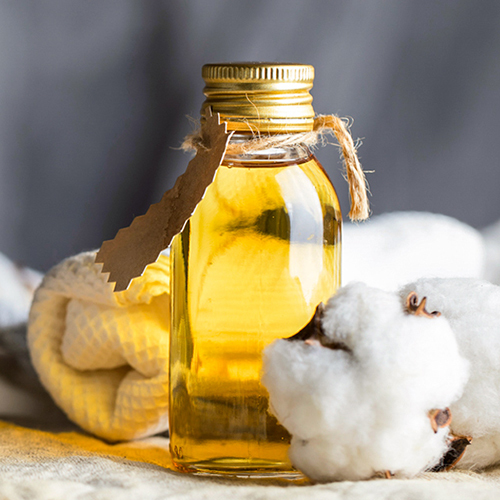
Cotton has always been known as the “white gold” of the textile world — but the seed left behind after ginning is quietly becoming just as valuable as the fibre itself. Every year, millions of tonnes of cottonseed are crushed across India, China, the USA, Pakistan, Brazil, Uzbekistan and West Africa to produce cottonseed oil, one of the most versatile edible oils in the world. If you are an entrepreneur, agro-processor, or existing oil miller exploring a cotton seed oil plant, this guide covers everything the competing pages on Google leave out — real project economics, machinery selection logic, regulatory checkpoints, and a side-by-side comparison of technologies — so you can make a genuinely informed decision, not just a technical one.
This is not another generic “cleaning-cooking-pressing” explainer. We’ve gone deeper into capacity planning, cost breakdowns, byproduct monetisation, quality compliance, and the exact questions first-time plant owners ask before they sign a purchase order.
1. What Is a Cotton Seed Oil Plant?
A cotton seed oil plant is an industrial processing facility that converts raw cottonseed — the byproduct of cotton ginning — into crude and refined edible oil, along with valuable byproducts like de-oiled cake, hulls, and linters. The plant integrates mechanical, thermal and (optionally) chemical extraction processes across dedicated sections: seed preparation, oil extraction, and refining.
Unlike a single-machine setup, a genuine cottonseed oil plant is a process line — every section feeds the next, and the efficiency of the whole plant depends on how well these sections are engineered together. This is precisely where most first-time buyers go wrong: they buy machines individually instead of a matched, capacity-balanced system, and end up with bottlenecks, higher power consumption, and lower oil recovery.
2. Why Cottonseed Oil Is a Smart Business in 2026
Cottonseed oil rarely gets the spotlight that soybean, sunflower or palm oil get — but that is exactly why it remains an underexploited opportunity for new entrants:
- Abundant, low-cost raw material. Cottonseed is a byproduct of ginning, meaning its price is often more stable than primary oilseeds grown specifically for oil.
- High-value, multi-product output. Beyond oil, you get cake (animal feed/protein meal), hulls (fuel or feed filler), and linters (used in paper, cellulose and textile industries).
- Rising global vegetable oil demand. Vegetable oil consumption continues to climb globally, and cottonseed oil’s neutral flavour, high smoke point and stability make it attractive for frying, snack foods, and blended cooking oils.
- Government support in major cotton-growing regions. Countries like India, under various food-processing and agro-industry schemes, support edible oil infrastructure with subsidies, low-interest loans, and MSME incentives — improving ROI for new plant owners.
- Export potential. Cottonseed oil and cottonseed meal both have consistent international demand, especially from feed and industrial oleochemical buyers.
3. Composition of Cottonseed: What You’re Actually Processing
Before investing in machinery, it helps to understand what you’re working with:
| Component | Approximate Share | Use |
|---|---|---|
| Kernel (meat) | 55–60% | Source of oil and protein meal |
| Hull (outer shell) | 30–35% | Cattle feed filler, fuel, fibreboard |
| Lint/linters (residual fibre) | 3–8% | Cellulose, paper, absorbent cotton |
| Oil content (in kernel) | 34–38% | Crude & refined cottonseed oil |
| Moisture | 8–10% | Controlled during processing |
Delinted, dehulled kernels typically contain 34–38% oil, while whole undecorticated seed contains around 18–20% oil — a distinction competitor pages routinely blur. This difference is the single biggest factor that decides whether you need a decorticating/dehulling section in your plant design, and it materially changes your oil yield calculations.
4. Cotton Seed Oil Extraction Process — Step by Step
Step 1: Seed Cleaning
Raw cottonseed arrives with dust, stones, metal pieces, sticks, and loose lint. A rotary or vibrating seed cleaner with an aspiration system removes these impurities to protect downstream machinery and improve final oil purity.
Step 2: Delinting (if required)
Leftover short fibre (linters) on the seed surface is mechanically or chemically removed using a delinting machine. This step is optional depending on whether your raw material is machine-delinted at the ginning stage already, but it significantly boosts oil extraction efficiency when included.
Step 3: Decortication / Dehulling
The hard outer hull is cracked and separated from the oil-rich kernel using a decorticator, followed by hull-kernel separation via aspiration. This step alone can raise the effective oil content processed from ~18% to 34–38%, dramatically improving plant economics.
Step 4: Cooking / Conditioning
Kernels are flaked and then cooked in a steam-jacketed cooker/kettle. This step:
- Ruptures oil cells for easier extraction
- Adjusts moisture to the ideal level
- Partially inactivates enzymes and reduces microbial load
- Coagulates protein for cleaner oil separation
Step 5: Mechanical Pressing (Expeller)
Cooked, flaked material is fed into a screw expeller (oil press), which applies continuous mechanical pressure to squeeze out crude oil, leaving behind a solid press cake.
Step 6: Solvent Extraction (Optional, for High Recovery)
Where maximum oil recovery is the priority, expeller cake (or directly prepared flakes) is processed through a solvent extraction plant using food-grade hexane, reducing residual oil in the meal to below 1%, compared to 6–8% left after single-stage expeller pressing alone.
Step 7: Filtration
Crude oil from pressing/extraction passes through a filter press to remove fine solid particles (foots), producing clarified crude oil ready for refining or storage.
Step 8: Refining
Crude cottonseed oil naturally contains gossypol (a toxic pigment), free fatty acids, phospholipids and waxes. The refining section — degumming, neutralization, bleaching, winterization and deodorization — converts this into safe, edible, market-ready oil.
5. Expeller Pressing vs Solvent Extraction: Which Route Should You Choose?
This is the single most important technical decision in your project — and one that most competitor articles skip entirely or mention only in passing.
| Parameter | Expeller-Only Route | Pre-Press + Solvent Extraction |
|---|---|---|
| Residual oil left in cake | 6–8% | Below 1% |
| Oil recovery efficiency | Moderate | High (maximises yield) |
| Initial investment | Lower | Higher |
| Ideal plant capacity | Small to mid (5–50 TPD) | Mid to large (50–500+ TPD) |
| Operating complexity | Simple, low-skill operation | Requires trained operators, solvent safety systems |
| Best suited for | New entrepreneurs, regional markets | Established players, export-focused units |
| Payback period | Faster for small volumes | Better ROI at scale due to higher recovery |
Our recommendation: If you’re starting fresh with limited capital, an expeller-only plant lets you enter the market quickly and profitably. As volumes grow, FOSTECHNO can design your plant to be solvent-extraction-ready from day one, so you can add the extraction and desolventizing sections later without re-engineering your entire layout. This phased-expansion approach is something few manufacturers proactively plan for — and it can save you 20–30% in future retrofit costs.
6. Complete Machinery List for a Cotton Seed Oil Plant
A properly engineered plant includes:
- Seed Cleaner — rotary/vibrating screen with aspiration and dust collection
- Delinting Machine — removes residual lint fibre
- Decorticator / Huller — cracks hull, separates kernel
- Kernel-Hull Separator — aspiration-based separation
- Flaking Rolls — flattens kernel for better oil release
- Cooker / Kettle (Steam Jacketed) — conditions moisture & temperature
- Screw Expeller (Oil Press) — mechanical extraction
- Filter Press — crude oil clarification
- Solvent Extraction Plant (optional) — for maximum recovery
- Desolventizer-Toaster (DT) — recovers solvent from meal
- Degumming & Neutralization Tanks — removes gums and FFA
- Bleaching Unit — removes color pigments and gossypol traces
- Deodorizer — removes odour compounds under vacuum/steam
- Winterization Unit — improves clarity in cold climates
- Storage Tanks & Piping — crude and refined oil storage
- Boiler & Steam System — powers cooking, refining, deodorizing
- Effluent/Utility Systems — water treatment, dust collection, electrical panels
A key differentiator: FOSTECHNO doesn’t just supply individual machines — we engineer the entire process line as one integrated system, matching capacities at every stage so there’s no bottleneck between sections. This is the single biggest cause of “rated capacity vs actual output” complaints across the industry.
7. Cottonseed Oil Refining Process
Crude cottonseed oil cannot be sold as edible oil directly — it must go through refining:
- Degumming: Water or acid degumming removes phospholipids (gums) that would otherwise cause the oil to darken and foam during frying.
- Neutralization: Caustic soda neutralizes free fatty acids (FFA), forming soap stock, which is separated by centrifuge or settling.
- Bleaching: Activated bleaching earth/clay absorbs colour pigments and residual gossypol under vacuum and heat.
- Winterization (Dewaxing): Removes waxes that would otherwise cause cloudiness at low temperatures — important for cottonseed oil due to its natural wax content.
- Deodorization: High-temperature, high-vacuum steam distillation removes volatile odour and flavour compounds, giving the oil a neutral taste and long shelf life.
The result is RBD (Refined, Bleached, Deodorized) cottonseed oil — clear, light-coloured, neutral-tasting, and safe for cooking, frying, and blending.
8. Capacity Options & Typical Plant Layouts
| Plant Capacity | Suitable For | Typical Process Route |
|---|---|---|
| 5–10 TPD | Small entrepreneurs, local markets | Expeller-only |
| 20–50 TPD | Regional distribution, growing brands | Expeller + partial solvent extraction |
| 100–200 TPD | State/national supply, B2B bulk buyers | Full solvent extraction + refinery |
| 300–500+ TPD | Export-oriented, large integrated units | Fully automatic, PLC-controlled continuous plant |
FOSTECHNO designs plants across this entire spectrum and can also engineer modular capacity plants that let you start small and expand in phases as your market grows — without discarding your initial machinery investment.
9. Cost of Setting Up a Cottonseed Oil Plant
Project cost is one of the most-searched — and least transparently answered — questions in this industry. While exact figures depend on capacity, automation level, civil work, and location, the major cost heads are:
- Machinery cost (largest share) — cleaning, decorticating, expelling/solvent extraction, refining
- Civil & structural work — factory shed, storage, utilities
- Boiler & utility systems — steam generation, electrical infrastructure
- Effluent treatment & safety systems — especially critical for solvent extraction units
- Working capital — raw material procurement, staffing, packaging
- Statutory & compliance costs — licenses, pollution clearance, FSSAI/BIS registration
Rather than quoting a generic figure that doesn’t apply to your specific case (which is what most competitor pages do), FOSTECHNO prepares a customised, capacity-wise project report — including machinery cost, ROI projection, and payback period — free of charge, based on your target capacity, location and budget. This is the most reliable way to plan your investment accurately.
10. Byproducts of Cottonseed Processing — Your Hidden Revenue Stream
A well-run cottonseed oil plant is rarely just an “oil business” — byproduct sales often contribute a significant share of total revenue:
- De-oiled Cake / Meal: High-protein cattle and poultry feed ingredient, in strong and consistent demand from the feed industry.
- Hulls: Used as cattle feed roughage, boiler fuel, or in particle board/fibreboard manufacturing.
- Linters: Valuable for absorbent cotton, cellulose derivatives, and paper pulp — often sold at a premium to specialty buyers.
- Soap Stock (from refining): Can be processed into soap-making raw material or acid oil.
- Spent Bleaching Earth: In some setups, recoverable for residual oil value.
Plant owners who actively market these byproducts, rather than treating them as waste, frequently see a materially improved overall plant ROI — something we help our clients plan for from the design stage itself.
11. Quality Standards, Certifications & Compliance
Depending on your target market, your cottonseed oil plant and finished product should align with:
- FSSAI (India) licensing for edible oil manufacturing and packaging
- BIS (Bureau of Indian Standards) specifications for refined cottonseed oil quality
- Pollution Control Board (PCB) clearance — especially important for solvent extraction units due to hexane handling
- ISO 9001 / ISO 22000 for quality and food safety management systems (recommended for export-focused units)
- HACCP compliance if supplying to organised retail or export buyers
- Explosion-proof electricals & fire safety systems for solvent extraction sections, per OISD/PESO norms in India
Gossypol control is a specific quality checkpoint unique to cottonseed oil — refined oil must meet safe residual gossypol limits, which is why the bleaching and deodorization stages are non-negotiable in your process design, not optional add-ons.
12. Common Mistakes First-Time Plant Owners Make
- Buying machines individually instead of a capacity-matched, engineered system — leading to bottlenecks.
- Skipping the decorticating section to save cost, then wondering why oil yield is far below expectations (whole seed yields ~18–20% oil vs 34–38% from dehulled kernel).
- Underestimating utility requirements — boiler capacity, water, and power are often planned as an afterthought.
- No plan for byproduct sales, leaving cake, hulls and linters underpriced or unsold.
- Ignoring future scalability — building a rigid layout that can’t be expanded to solvent extraction later without major rework.
- Choosing the cheapest vendor without checking after-sales service, spare parts availability, and installation/commissioning support.
13. Why Choose FOSTECHNO Process & Engineering Pvt. Ltd.
At FOSTECHNO Process & Engineering Pvt. Ltd., we don’t just sell oil mill machines — we engineer complete, capacity-balanced cotton seed oil plants designed around your budget, raw material, and growth plan.
What sets FOSTECHNO apart:
- End-to-end turnkey execution — from project report and layout design to machinery manufacturing, installation, commissioning, and operator training.
- Integrated process engineering — every section (cleaning, decorticating, pressing, solvent extraction, refining) is sized to work together, eliminating bottlenecks.
- Scalable, future-ready design — start with an expeller-only plant and expand into solvent extraction and refining without discarding your original investment.
- Free, customised project reports — realistic cost estimates and ROI projections based on your actual target capacity, not generic industry averages.
- Dedicated after-sales support — spare parts, maintenance guidance, and technical assistance long after commissioning.
- Transparent, direct communication — speak directly with our engineering team, not a call-centre.
Whether you’re setting up your first small-capacity plant or expanding an existing mill into a fully automatic solvent extraction and refinery line, FOSTECHNO’s engineering team is ready to design a solution around your exact requirement.
14. Frequently Asked Questions (FAQs)
Q1. What is a cotton seed oil plant?
A cotton seed oil plant is an industrial setup that cleans, delints, decorticates, and presses (or solvent-extracts) raw cottonseed to produce crude cottonseed oil and de-oiled cake, which is then refined into edible-grade oil.
Q2. How much oil does 1 ton of cottonseed yield?
On average, 1 ton of cottonseed yields around 150–190 kg of crude oil via expeller pressing, and up to 180–200 kg with a pre-press plus solvent extraction route, along with roughly 750–800 kg of de-oiled cake and hulls.
Q3. What is the cost of setting up a cottonseed oil plant?
Cost varies by capacity, process route, and automation level. FOSTECHNO provides a free, customised project report with machinery cost and ROI projections based on your specific requirement — contact us for an accurate quote.
Q4. What machinery is required for a cottonseed oil mill?
Core machinery includes a seed cleaner, delinter, decorticator, cooker, screw expeller, filter press, solvent extraction plant (optional), and a refinery section for degumming, neutralization, bleaching and deodorization.
Q5. Is cottonseed oil safe for edible use?
Yes, once properly refined. Crude cottonseed oil naturally contains gossypol, which is removed during refining (degumming, neutralization, bleaching, deodorization), making the final oil safe and edible-grade.
Q6. What’s the difference between expeller pressing and solvent extraction?
Expeller pressing is a purely mechanical process leaving 6–8% residual oil in the cake, suited to smaller plants. Solvent extraction uses food-grade hexane to recover almost all remaining oil (residual oil below 1%), suited to larger, high-throughput plants.
Q7. What byproducts come from a cottonseed oil plant?
Major byproducts include de-oiled cake/meal (animal feed), hulls (feed/fuel), linters (cellulose/paper industry), and soap stock from the refining process — all of which can generate additional revenue.
Q8. Does FOSTECHNO provide turnkey cotton seed oil plants?
Yes. FOSTECHNO Process & Engineering Pvt. Ltd. designs, manufactures, supplies, installs and commissions complete turnkey cottonseed oil plants — from seed cleaning to refined oil — along with project reports, layout design, and after-sales support.
Q9. Can I start with a small plant and expand later?
Yes. FOSTECHNO designs plants with future scalability in mind, so you can start with an expeller-only setup and add solvent extraction and refining sections later without redesigning your entire plant.
Q10. Which certifications does a cottonseed oil plant need in India?
Typically FSSAI licensing, BIS quality compliance for refined oil, Pollution Control Board clearance (especially for solvent extraction units), and fire/explosion safety compliance per PESO/OISD norms.
15. Final Word
Cottonseed oil is no longer just a “byproduct business” — with the right process design, it’s a full-fledged, multi-revenue-stream enterprise built on oil, protein meal, hulls, and linters. The plants that succeed aren’t necessarily the ones with the biggest machines; they’re the ones engineered as a single, balanced system from seed intake to refined oil drum.
If you’re serious about setting up or upgrading a cotton seed oil plant, don’t just buy equipment — partner with engineers who understand the entire value chain.
Get Your Free Project Report Today
FOSTECHNO Process & Engineering Pvt. Ltd. is ready to help you design, build, and commission your cotton seed oil plant — from a small expeller unit to a fully automatic solvent extraction and refinery line.
Call/WhatsApp us now at +91 9696177472
Email your requirement to Jafarhusain@fostechnos.com
Visit fostechnos.com for our full machinery range and project gallery
“The oil is only as good as the process behind it — engineer it right, and the byproducts pay for the plant.” — FOSTECHNO Process & Engineering Pvt. Ltd.
Cotton Seed Oil Plant
Cotton Seed Oil Plant
Cotton Seed Oil Plant
Cotton Seed Oil Plant
Cotton Seed Oil Plant
Cotton Seed Oil Plant
Cotton Seed Oil Plant
Cotton Seed Oil Plant
Cotton Seed Oil Plant
Cotton Seed Oil Plant
Cotton Seed Oil Plant
Cotton Seed Oil Plant
Cotton Seed Oil Plant
Cotton Seed Oil Plant
Cotton Seed Oil Plant
Cotton Seed Oil Plant
Cotton Seed Oil Plant
Cotton Seed Oil Plant



Leave a Reply