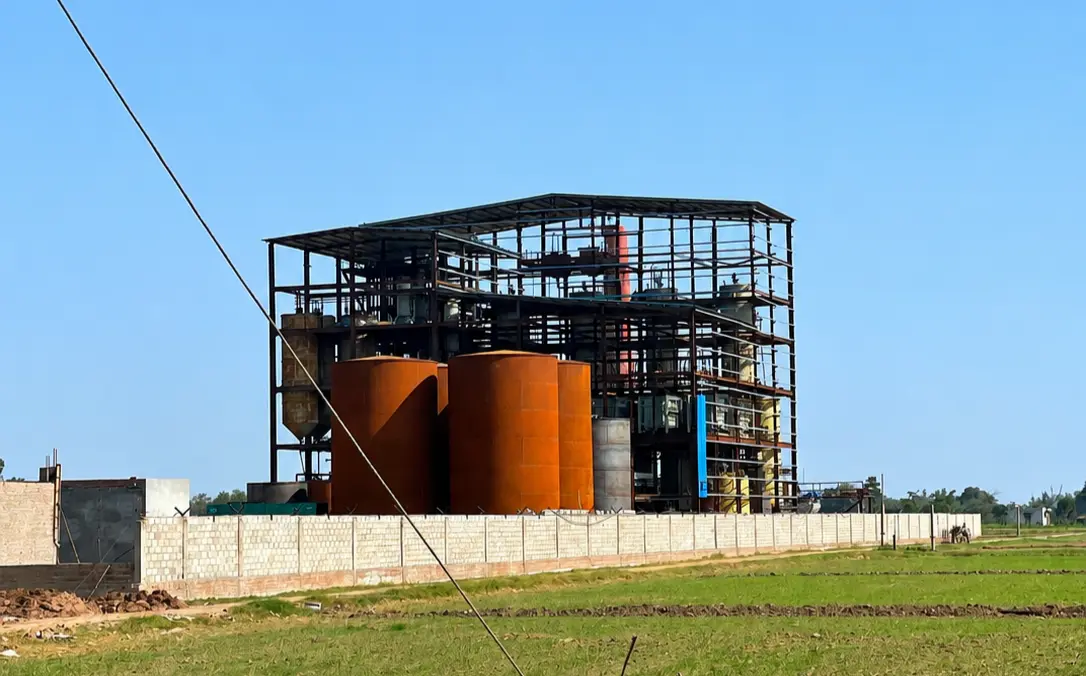
How to Set Up a Rice Bran Oil Plant: A Complete Guide for Business Owners
So, you’re thinking about setting up a rice bran oil plant. First of all, congratulations — you’ve picked one of the smartest edible oil segments in India today. But before you sign a single purchase order, let’s walk through this together, step by step, in plain language, so you know exactly what you’re getting into.
Rice bran oil comes from the outer layer of the rice grain, not from a seed like most other cooking oils. Because of that, the oil is naturally rich in oryzanol, tocopherols, tocotrienols, and a balanced mix of saturated and unsaturated fatty acids. It also has a high smoke point, which makes it a favorite for frying and everyday cooking. As a result, demand keeps climbing across India, Japan, Korea, and other Asian markets. India alone produces close to 1.6 million tonnes of rice bran oil every year, and that number keeps growing as more mills recognize the value locked inside their bran.
This guide covers everything: why the business makes sense, how the process actually works, what machinery you need, how much it costs, and who can help you build it. Let’s get into it.
Why Rice Bran Oil Plant Projects Are a Smart Investment for Entrepreneurs
Here’s the honest truth: rice bran used to be treated as a waste product. Today, it’s a raw material that produces one of the healthiest cooking oils on the market, plus valuable byproducts like de-oiled cake, wax, and fatty acid distillates. That combination is exactly why entrepreneurs are jumping in.
Consider the numbers. According to a 2026 IMARC Group project report, a typical rice bran oil processing plant runs at a capacity of 20,000 to 100,000 metric tons a year, with gross profit margins between 20-30% and net margins around 8-15%. Raw material costs dominate the expense sheet at roughly 80-85% of total operating costs, while utilities account for another 10-15%. In other words, once you lock in a steady, affordable bran supply, your margins tend to stay healthy.
There’s also good policy news. In October 2025, India lifted its two-year ban on de-oiled rice bran exports, moving the category from “Prohibited” to “Free.” Prices for de-oiled bran dropped by around 50%, giving processors a nice cost cushion and reviving returns for both farmers and oil manufacturers. Meanwhile, major players such as Ricela Group, Cargill, BCL Industries, 3F Industries, and Adani Wilmar continue expanding capacity, which tells you the demand curve isn’t slowing down anytime soon.
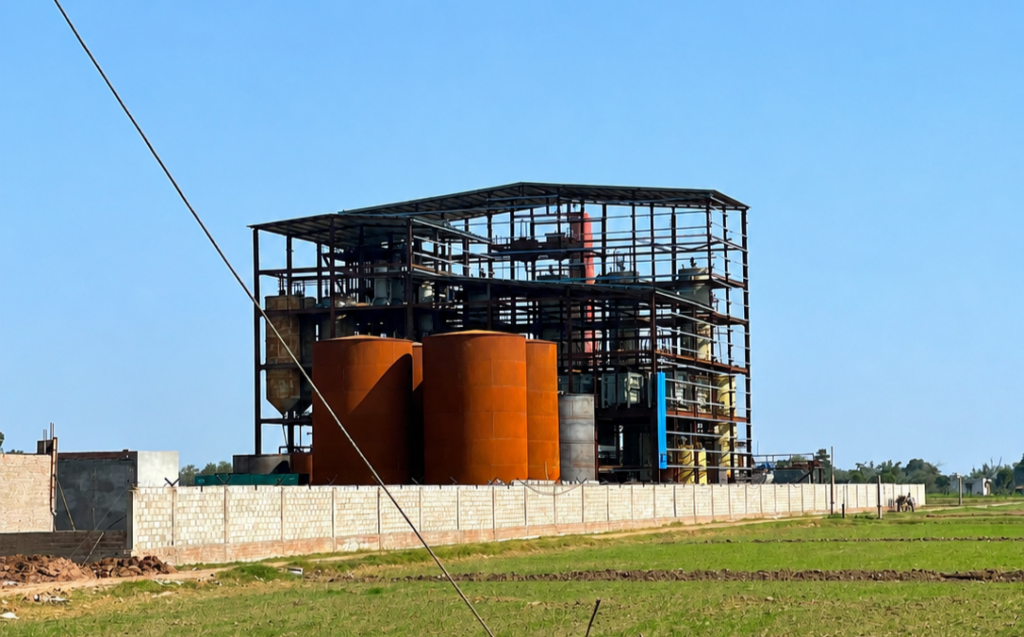
Choosing the Right Engineering Company for Your Rice Bran Oil Plant
This step matters more than any other decision you’ll make. Your machinery supplier isn’t just a vendor; they become your long-term technology partner. So, take your time here.
Look for an engineering firm with real turnkey experience — not just catalog machines, but complete solvent extraction and refining plants built specifically for rice bran’s unique challenges (high FFA content, quick enzyme activity, and oxidation risk). Extraction, and physical refining into a single, energy-efficient package. Others, such as FOSTECHNO Process & Engineering Pvt Ltd, specialize in refinery sections like degumming, dewaxing, and continuous deodorization, and often provide turnkey builds too.
Before finalizing anyone, ask these questions directly:
- Do they offer annual maintenance contracts?
- Can they show you a working plant, not just a brochure?
- Do they provide performance guarantees on oil yield and energy consumption?
- What’s their after-sales support like, and how fast do they respond?
A good engineering partner will answer all of this without hesitation. If they dodge the questions, that’s your answer too.
Step-by-Step Guide to Building a Profitable Rice Bran Oil Manufacturing Plant
Let’s break the entire journey into manageable steps, because that’s really the only way to approach a project this size without feeling overwhelmed.
Step 1: Identify your target market. Decide early whether you’re serving bulk edible oil buyers, nutraceutical companies, cosmetic manufacturers, or retail consumers. Each segment has different quality expectations.
Step 2: Determine scale and budget. Your capacity — whether it’s a small 50 TPD unit or a large 20,000+ MT/year facility — determines nearly every downstream decision, from land size to manpower needs.
Step 3: Select your plant location. Since rice bran degrades fast once separated from the grain, plant proximity to rice mills isn’t optional — it’s essential. The closer you are, the less time your bran spends losing quality before stabilization.
Step 4: Secure raw material suppliers. Build relationships with rice mills that can guarantee consistent bran supply. Sustainable, ethical sourcing also builds long-term customer trust in your final product.
Step 5: Choose your machinery and engineering partner. This includes bran stabilizers, solvent extractors (often expander-based systems), desolventizer toasters, and a full refining line covering degumming, bleaching, dewaxing, deodorization, and winterization.
Step 6: Plan for compliance and safety. Effluent treatment, hexane handling protocols, and food-safety certifications all need to be baked into your design from day one, not added later.
Step 7: Commission, test, and scale. Once construction wraps up, run trial batches, fine-tune your parameters, and only then move to full commercial production.
Follow these steps in order, and you’ll avoid most of the costly mistakes that trip up first-time plant owners.
What Business Owners Should Know Before Starting a Rice Bran Oil Plant
A few realities deserve your attention before you commit capital.
First, rice bran oil is genuinely tricky to process compared to seed oils. The lipase enzyme in bran converts neutral oil into free fatty acids almost immediately after milling, so stabilization has to happen fast — ideally right after the bran leaves the mill. Skip this step, or delay it, and your FFA content shoots up, eating directly into your yield and profit.
Second, refining rice bran oil isn’t a simple one-stage job. Because of naturally high FFA and wax content, most producers rely on physical refining rather than standard alkali neutralization, since it retains more nutrients and reduces oil loss. That means your refinery needs degumming, bleaching, a dedicated dewaxing (winterization) section, and low-temperature continuous deodorization — all working in sequence.
Third, storage matters just as much as production. Rice bran oil oxidizes fairly easily during storage and cooking, so proper packaging, nitrogen flushing, and quality testing protocols protect your product long after it leaves the plant.
None of this should scare you off. It simply means you need the right machinery and the right technical partner from day one.
How to Turn Rice Bran Into a High-Value Business Opportunity
Think of rice bran as a raw material with three revenue streams hiding inside it, not just one. The oil itself is the headline product, prized for its health benefits and high smoke point. But the de-oiled bran cake left behind after extraction has strong value too, particularly in cattle and poultry feed markets. Then there’s the wax fraction removed during dewaxing, which finds its way into cosmetics, polishes, and specialty industrial applications.
Smart plant owners design their operations to capture value from all three streams instead of treating anything as waste. Additionally, byproducts like fatty acid distillates recovered during deodorization can be sold onward to oleochemical processors, adding yet another income line. When you look at rice bran oil production holistically, rather than a single-product business, your overall project economics improve significantly.
Rice Bran Oil Plant Setup: Key Machinery, Process, and Project Planning
Here’s what your process flow will typically look like, from raw bran to bottled oil:
- Stabilization – Raw bran gets heated quickly to deactivate the lipase enzyme before FFA levels rise.
- Conditioning and Pelletizing – Stabilized bran is conditioned and pelletized to prepare it for solvent extraction.
- Solvent Extraction – Using food-grade hexane, oil is dissolved out of the bran, forming what’s called a miscella (oil-solvent mixture).
- Desolventizing – Solvent is recovered and reused, while crude oil moves ahead for refining.
- Degumming – Phospholipids and gums are separated out, either through acid or enzymatic degumming.
- Bleaching – Bleaching earth removes pigments and residual impurities.
- Dewaxing (Winterization) – Oil is cooled gradually so wax crystallizes out and gets filtered away, preventing cloudiness in cold weather.
- Deodorization – Under vacuum and high heat, volatile fatty acids and odors are stripped from the oil.
- Filtration and Packaging – The finished, refined rice bran oil is filtered, tested, and packed.
On the machinery side, essential equipment includes bran stabilizers, expander-based solvent extractors, desolventizer toasters, plate heat exchangers, continuous bleachers, crystallization towers for dewaxing, deodorization columns, and automated filling lines. During the project planning phase, you should map out land requirements, utility needs (steam, power, water), and manpower planning, ideally with your engineering partner’s help rather than guesswork.
The Best Engineering Solutions for Rice Bran Oil Plant Construction
Different engineering firms bring different strengths to the table, so matching your project to the right specialist pays off.
For complete turnkey builds covering extraction through refining, firms like Kumar Metal Industries and Spectec Techno Projects offer end-to-end EPC (engineering, procurement, and construction) solutions, along with performance guarantees and maintenance support. For expeller-based smaller-scale setups, companies specializing in oil mill machinery provide more compact, lower-investment options suited to regional processors. And if you’re comparing suppliers or sourcing components individually, industrial directories like IndiaMART connect you with regional manufacturers who can quote based on your exact capacity and budget.
Whichever direction you choose, insist on stainless steel construction, low-maintenance design, and documented energy efficiency figures. These details separate a plant that runs smoothly for decades from one that constantly needs repairs.
From Concept to Commissioning: Building a Successful Rice Bran Oil Plant
Every successful plant follows a similar arc: feasibility study, site selection, detailed engineering, procurement, civil construction, equipment installation, trial runs, and finally, full commercial commissioning. Skipping or rushing any one of these stages usually costs more time and money later than it saves upfront.
A detailed project report — covering mass balance, raw material requirements, utility needs, machinery costs, and financial projections — gives you a realistic roadmap before you break ground. It also becomes essential documentation when you approach banks or investors for project financing. Treat this phase as your foundation; everything else is built on top of it.
How to Build a Modern Rice Bran Oil Plant That Delivers Quality and Profit
At the end of the day, a modern rice bran oil plant succeeds when it balances three things: consistent raw material stabilization, an efficient multi-stage refining process, and smart byproduct utilization. Get those three right, and quality plus profitability tend to follow naturally.
If you’re ready to move forward — whether you’re exploring plant costs, comparing machinery suppliers, or simply want a second opinion on your project plan — feel free to reach out directly. I’d genuinely love to hear about your project and help you figure out the right next step for your specific capacity, budget, and location.
Frequently Asked Questions
What is rice bran oil, and why is it in such high demand?
Rice bran oil is extracted from the outer bran layer of rice grains rather than from a seed. It contains natural antioxidants like oryzanol, has a high smoke point, and offers a balanced fatty acid profile, which makes it popular for health-conscious cooking across Asia.
How much does it cost to set up a rice bran oil plant?
Costs vary widely depending on capacity, location, and automation level. Raw materials typically make up 80-85% of operating expenses, while utilities account for another 10-15%. A detailed feasibility report from your engineering partner will give you accurate, location-specific figures.
What is the difference between crude and refined rice bran oil?
Crude rice bran oil is the unrefined product straight out of solvent extraction — it’s not suitable for direct consumption due to high FFA content and impurities. Refined rice bran oil goes through degumming, bleaching, dewaxing, and deodorization to become safe, stable, and market-ready.
Why does rice bran need to be stabilized so quickly?
Rice bran contains a lipase enzyme that starts breaking oil down into free fatty acids almost immediately after milling. Quick heat stabilization deactivates this enzyme, protecting oil yield and quality.
What machinery do I need for a rice bran oil plant?
At minimum, you’ll need a bran stabilizer, a solvent extraction unit (often expander-based), a desolventizer toaster, and a full refining line including degumming, bleaching, dewaxing, and deodorization equipment.
What profit margins can I expect from this business?
Industry project reports typically show gross margins between 20-30% and net margins between 8-15%, though actual figures depend on scale, location, and byproduct utilization.
How long does it take to set up a rice bran oil plant?
Timelines depend on capacity and complexity, but most projects move through feasibility study, engineering, procurement, construction, and commissioning over several months to a year or more for larger facilities.
If you still have questions after reading this, don’t hesitate to get in touch — I’m always happy to talk through your specific project.
@russia @africa @india @indonessia @germany @china @bangladesh @vietnam @austrialia @england @peru @crotica @norway



Leave a Reply