FOSTECHNO Process & Engineering Private Limited

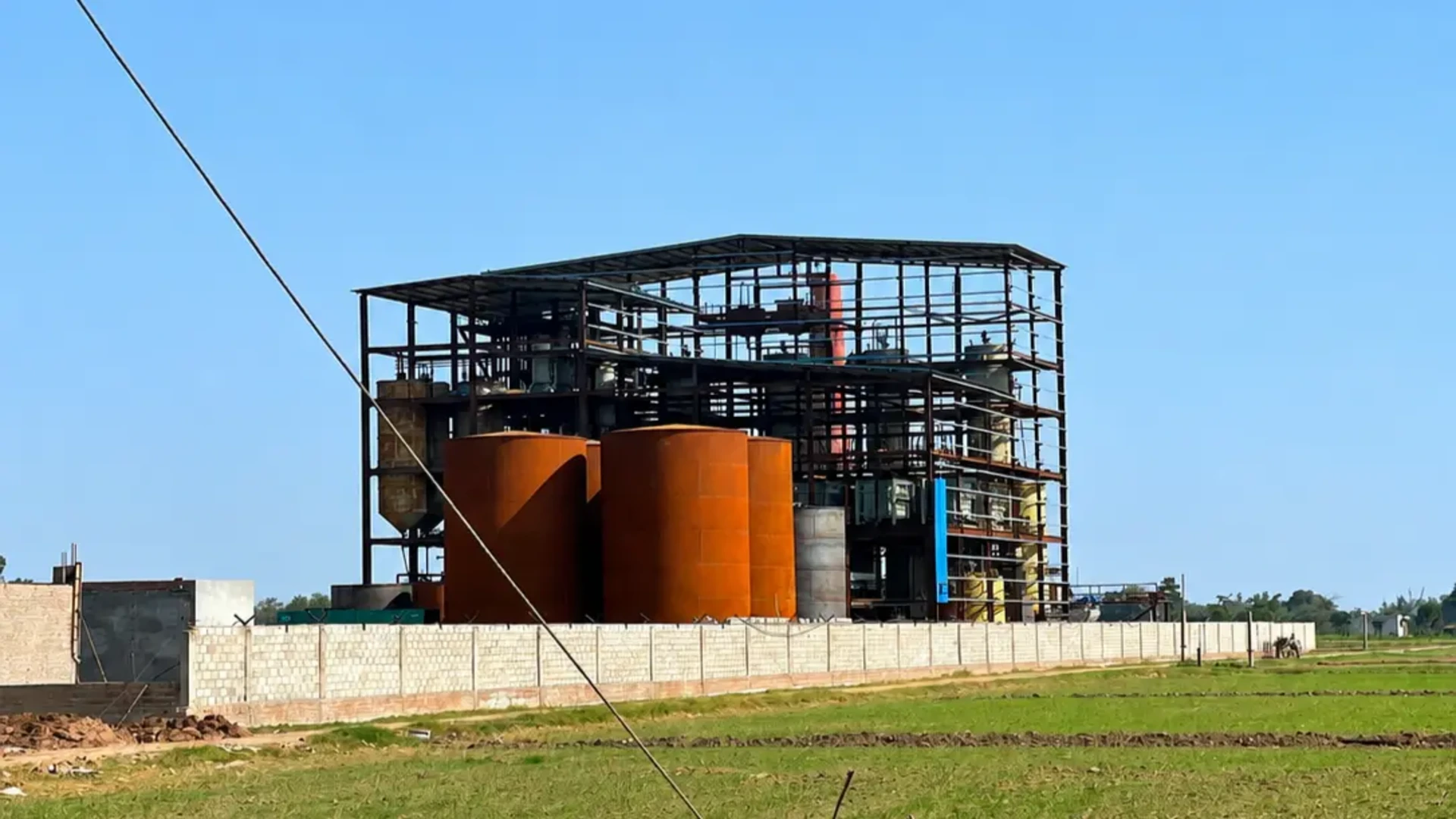
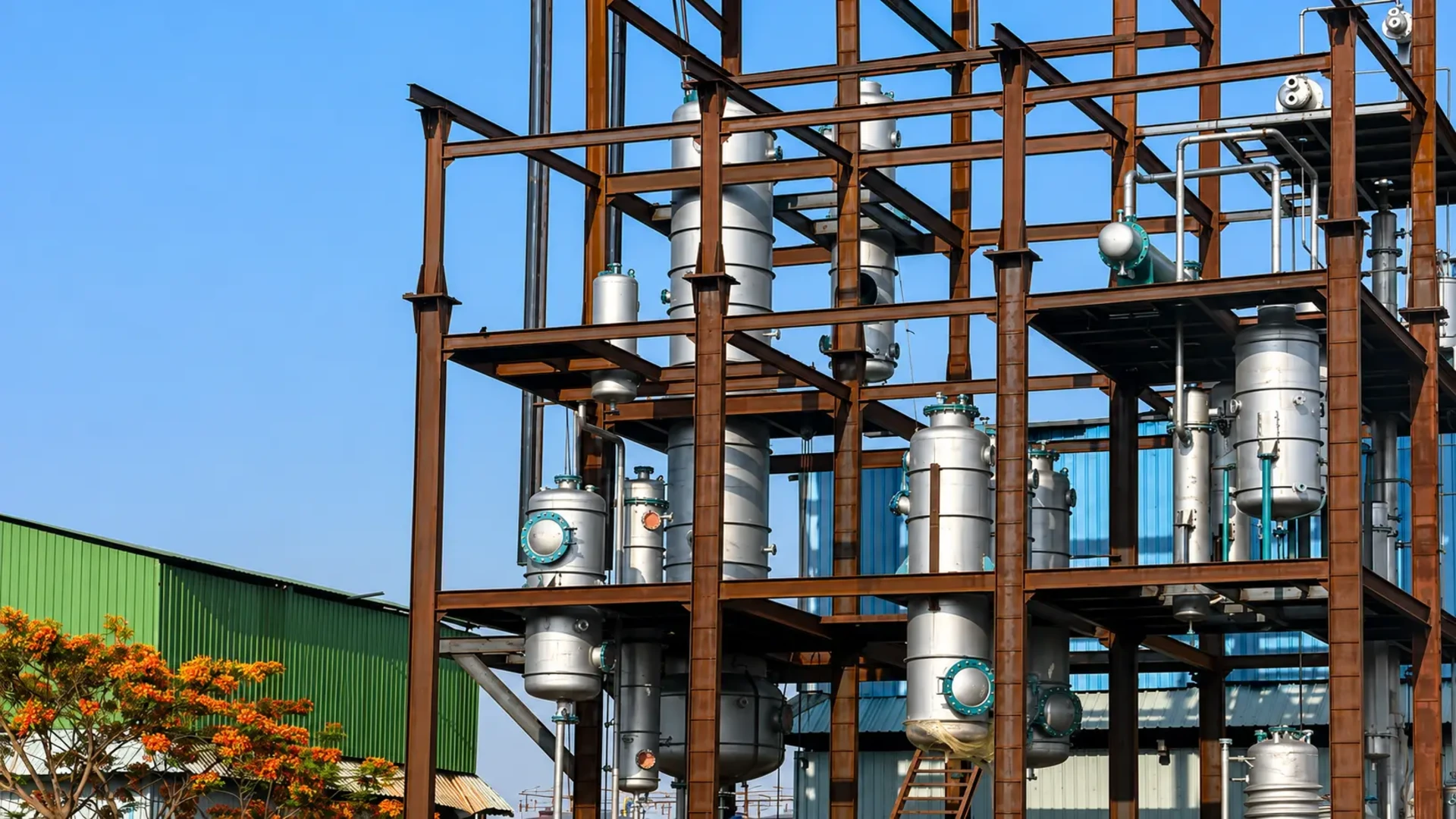
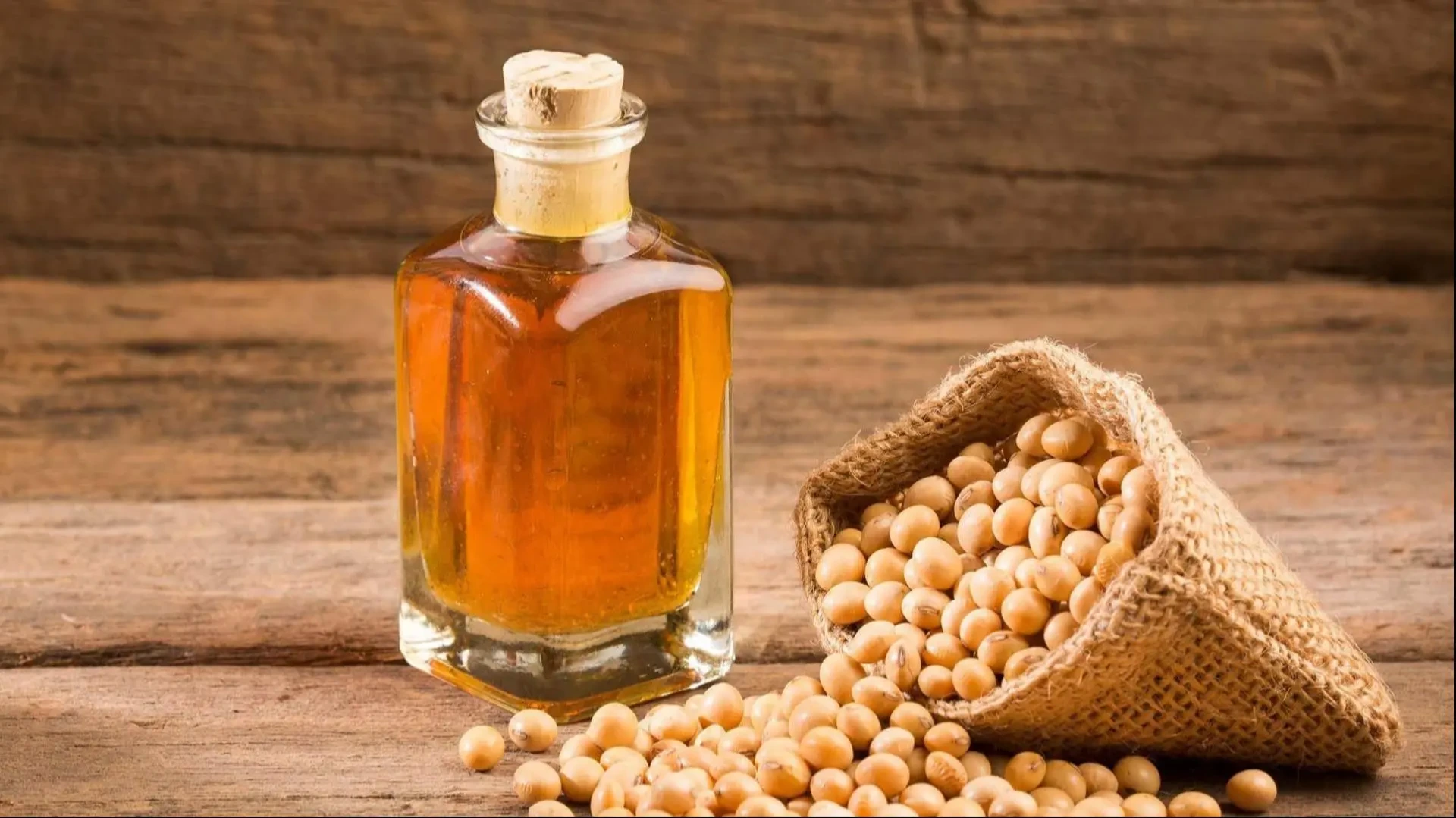
Fostechno Process & Engineering Pvt. Ltd. is a project engineering company engaged in design, manufacture and supply of plant and machineries for seed processing, oil extraction, solvent extraction, crude edible oil refining, oleochemicals, fat modification and value addition plants on a turnkey basis. We have the facility to supply plants and machinery from 5 Tons per day to 500 Tons per day.
Incorporated by engineers with vast experience in designing, installing and commissioning plants, our team has worked with leading technology providers and been part of core technical, designing and execution teams.
Being a project engineering company with EPC & EPCC expertise, we have manufacturing facilities for precision fabrication of critical equipment — Deodorizer, Bleacher, Crystallizer, Heat Exchanger, High Pressure Column, Extractor, Cookers, Distillation Columns and Reactors.
Behind Fostechno is the finest technical team committed to supplying the best and most efficient plants, always available to provide seamless after-sales service. We guarantee performance at par with — if not better than — international plant and machinery suppliers, at cost-effective and competitive prices.
We serve clients across India, Bangladesh, Uzbekistan and other countries, delivering world-class oil processing technology at competitive prices.
Our Core Services
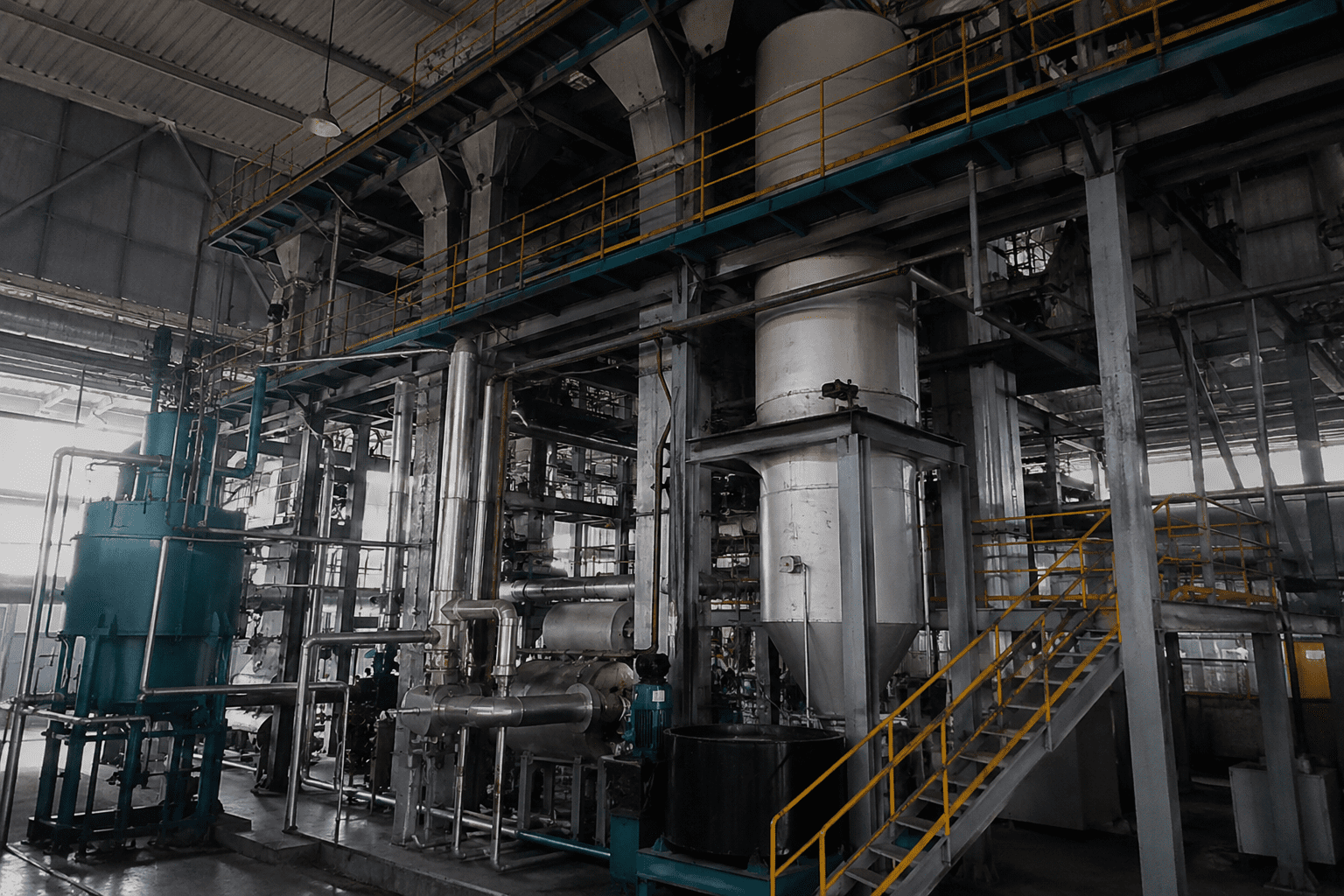
Solvent Extraction Plant
Extraction of oil from oilseeds & cakes with complete solvent recovery.
- Extraction of oil from seeds & cake
- De-solventization of de-oiled cake
- Miscella distillation to separate solvent & oil
- Solvent recovery & reuse
- Meal cooling & bagging

Refining of Crude Edible Oil
Removes gums, free fatty acids & wax to produce best quality refined oil.
- Water / Dry / Enzyme Degumming
- Acid conditioning & Alkali Refining
- Water washing & Silica Adsorption
- Bleaching with pressure leaf filter
- Dewaxing / Winterization
- Physical Refining & Deodorization

Fat Modification Plants
Chemical & physical modification to alter textural properties of edible oils.
- Inter-Esterification
- High / Low pressure Hydrogenation
- Dry Fractionation of Palm Oil
- Lecithin Plants
- Bakery Shortening & Margarine

Oleochemical
Fully customized oleochemical solutions with wide application in biodiesel.
- High pressure fat / oil splitting
- Crude glycerin purification & distillation
- Straight & fractional fatty acid distillation
- Biodiesel / Trans-esterification
- Methanol rectification
- Biodiesel separation, washing & drying
- Glycerin pretreatment & distillation
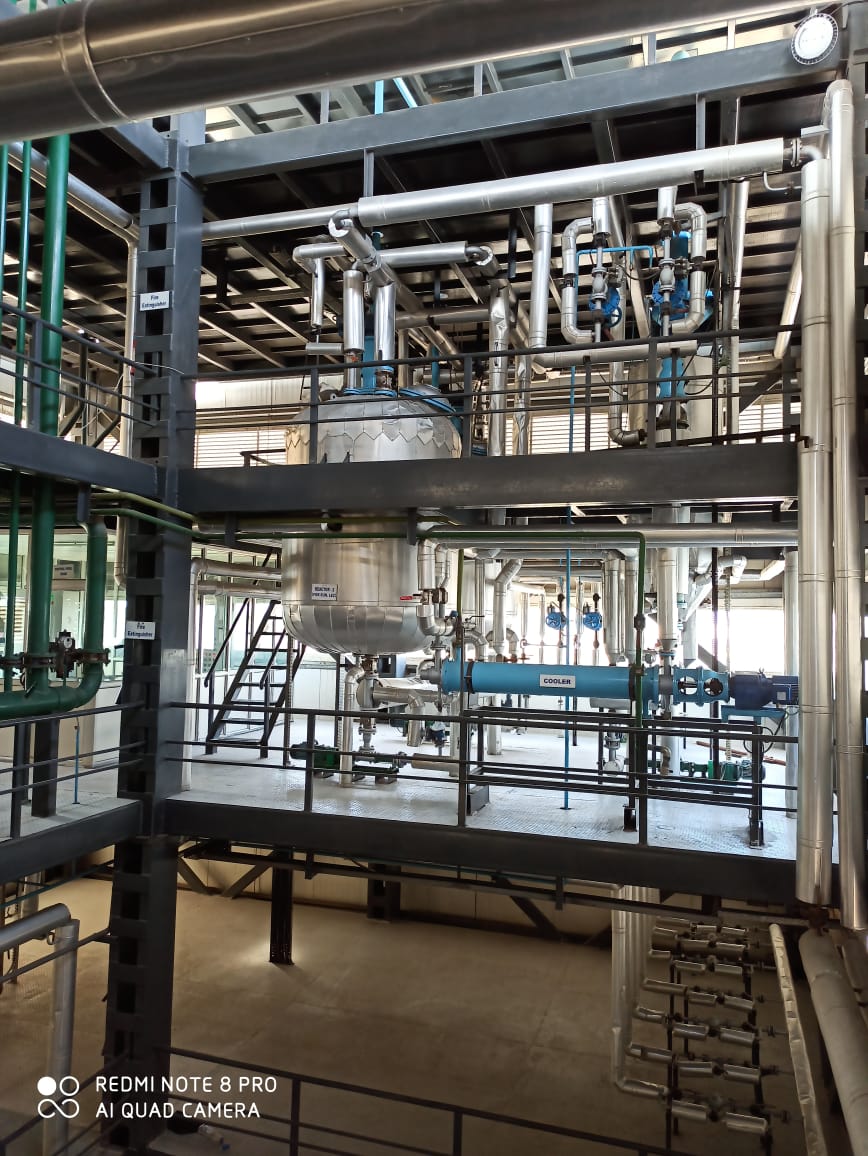
Value Addition Plants
Complete downstream solutions for maximum value from oil processing.
- Lecithin Plant
- Bakery Shortening & Margarine
- CBS from Palm Kernel Oil
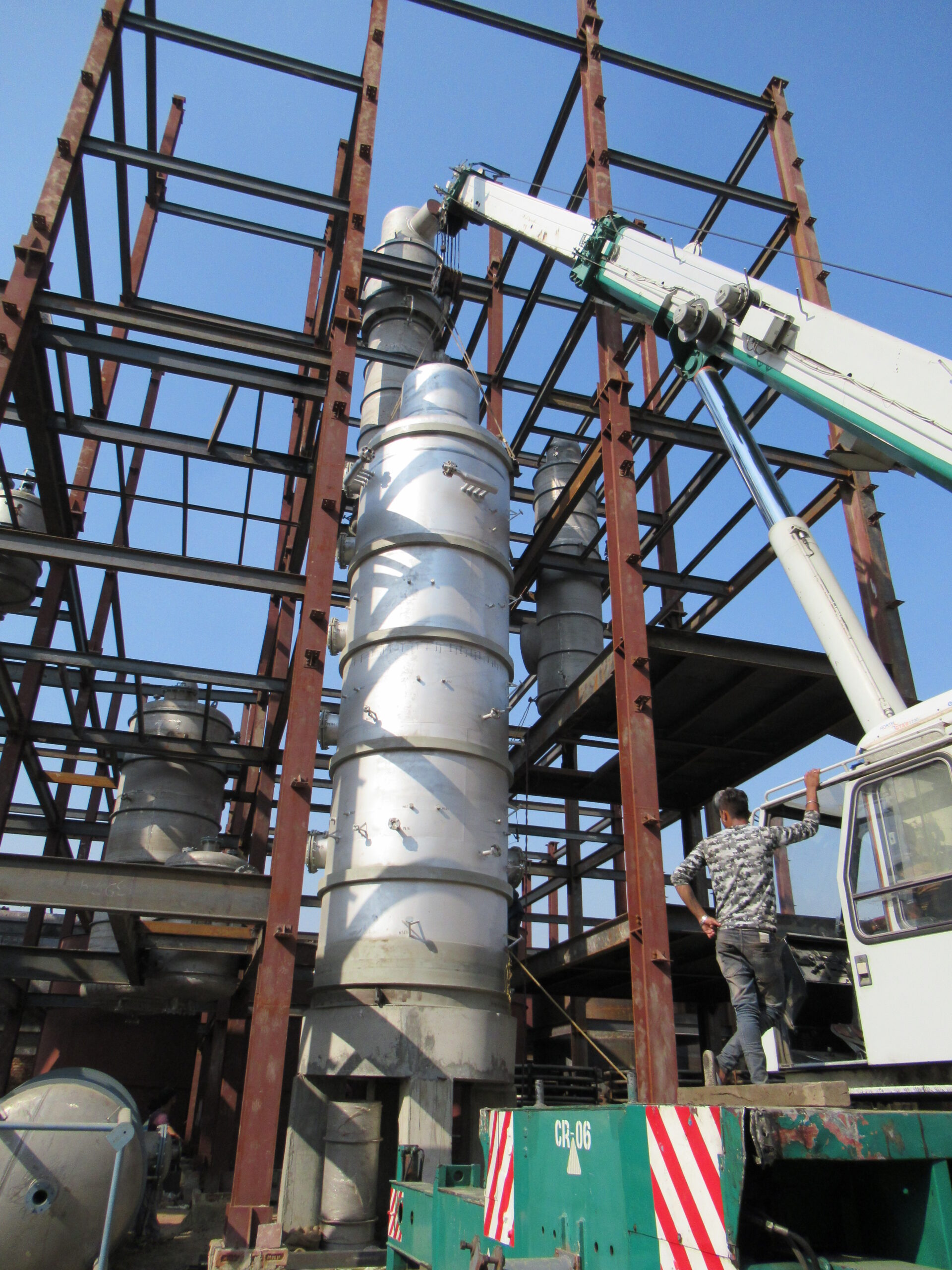
EPC Turnkey Projects
End-to-end engineering, procurement & construction from design to commissioning.
- Design & engineering
- Equipment procurement
- Site construction & erection
- Commissioning & performance trials
- Full after-sales service support
Clients Who Trust Us
 Shree Basant Oil
 B.L. Agro Ltd.
 Ajanta Industries
 Amrit Oils
 Paban 7 Star
 SPPL
SPPL Paxtachi Rodnik
 Alms Frozen Foods
 Khanda Biofuels
 Adani
Adani AWL Agro
 Meghna Group
 Data Oils
 KS OIL
 Geo Fresh Ltd.
 Sunbridge
 Mahalaxmi
 BN Agritech
 Late Mr. Javed Husain
My beloved brother and My Mentor even when you are not here with us physically, you are alive with your advices, your ideas, your principles which are instilling in us the passion to provide and take your legacy forward. I know you are still around all of us and we feel your words guiding us. Death has robbed us of our bests but it has not extinguished your light living in our hearts and memories, which shines brighter with each passing day. Your peerless teachings and the exposure you gave us of the world and of the gaps which need to be filled; has inspired us to begin a start-up, which is based on your ideologies and our innovation, as you always said it to be. We are driven and are continuing to take forward what you created, in a quest to keep your name alive and intact. It is your positive force of devotion to work within us keeping alive the innovative thoughts, the actions and its implementation. It is bequeathed to us by you, the dedication to serve the industry the way you did, the way you always wished for us to take it a step forward. We are very grateful to you, that you open heartedly let us work with the ownership, despite all the obstacles you faced in making it happen. We will always remember your catchphrase, "Watch how the clock keeps going, it never stops", and we apply it into our daily routine which has become our philosophy. "Don't let the work pending, 'complete it expeditiously' as soon as possible, and target the next".
Insights & Articles
Why Choose Fostechno?
Decades of Engineering Experience
With decades of combined engineering experience, Fostechno delivers reliable and efficient oil processing plants across India and internationally.
In-House Manufacturing
Our in-house manufacturing facility ensures quality control at every stage — from design to commissioning. Precision fabrication of critical equipment.
International Reach
Serving clients across India, Bangladesh, Uzbekistan and other countries — delivering world-class oil processing technology at competitive prices.
100% After-Sales Support
We offer complete after-sales support and performance guarantees on all our plants. Our team is always available for seamless service.
Talk to Our Experts
Looking to invest in a solvent extraction, edible oil refinery or oleochemical plant? Our team of oil technologists, chemical, mechanical, electrical and instrumentation engineers is ready to help.
Extraction
Refinery
Plant
Engineers
Expertise
Response
Solutions


